One dead and 29 injured is the final toll of the 6.1 magnitude earthquake that struck late yesterday the northwestern Turkey‘s province of Balıkesir – which could also be felt strongly in Istanbul – and has since been followed by more than 250 aftershocks that have forced local residents to spend the night outdoors, while seismologists warn that the tectonic fault that runs through the region is still active and that earthquakes will continue.
As reported by CNN Türk citing data from the Disaster and Emergency Management Agency (AFAD), since the main 6.1 quake struck last night at around 19:53 local time with its epicentre in the district of Sındırgı, more than 250 aftershocks have been recorded in the region, with at least 10 of them exceeding magnitude 4 on the Richter scale, with the largest of them reaching – just 8 minutes after the main tremor – an intensity of 4.6.
While emergency teams continue to work in the area, Turkish Health Minister Kemal Memişoğlu said that a total of 52 people needed medical assistance after the quake, of which 29 were hospitalised, with 10 of them still receiving treatment, three of them due to direct consequences of the quake. “Their situation is stable,” said the minister, who also recalled that “it is not earthquakes that kill, but houses“.
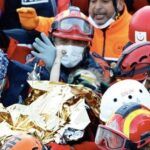
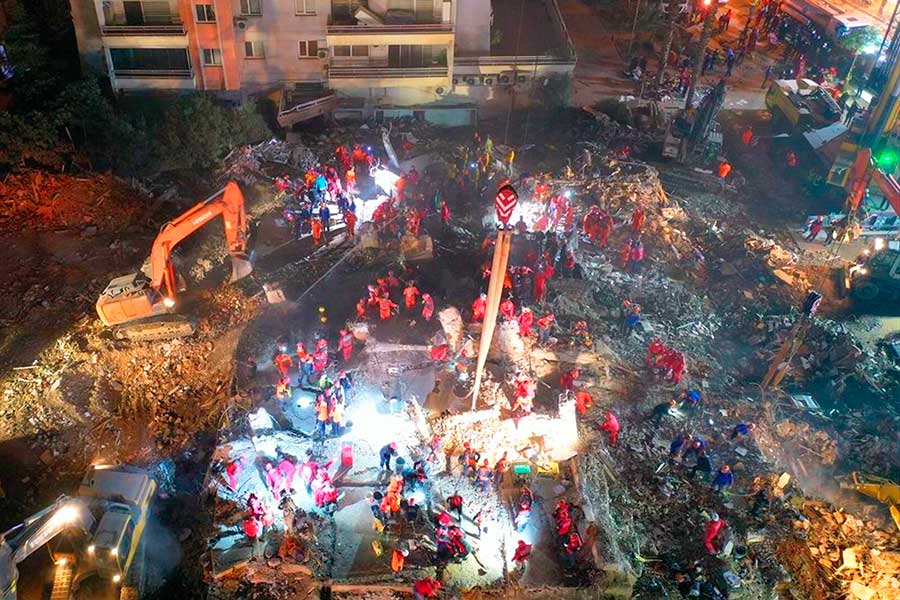
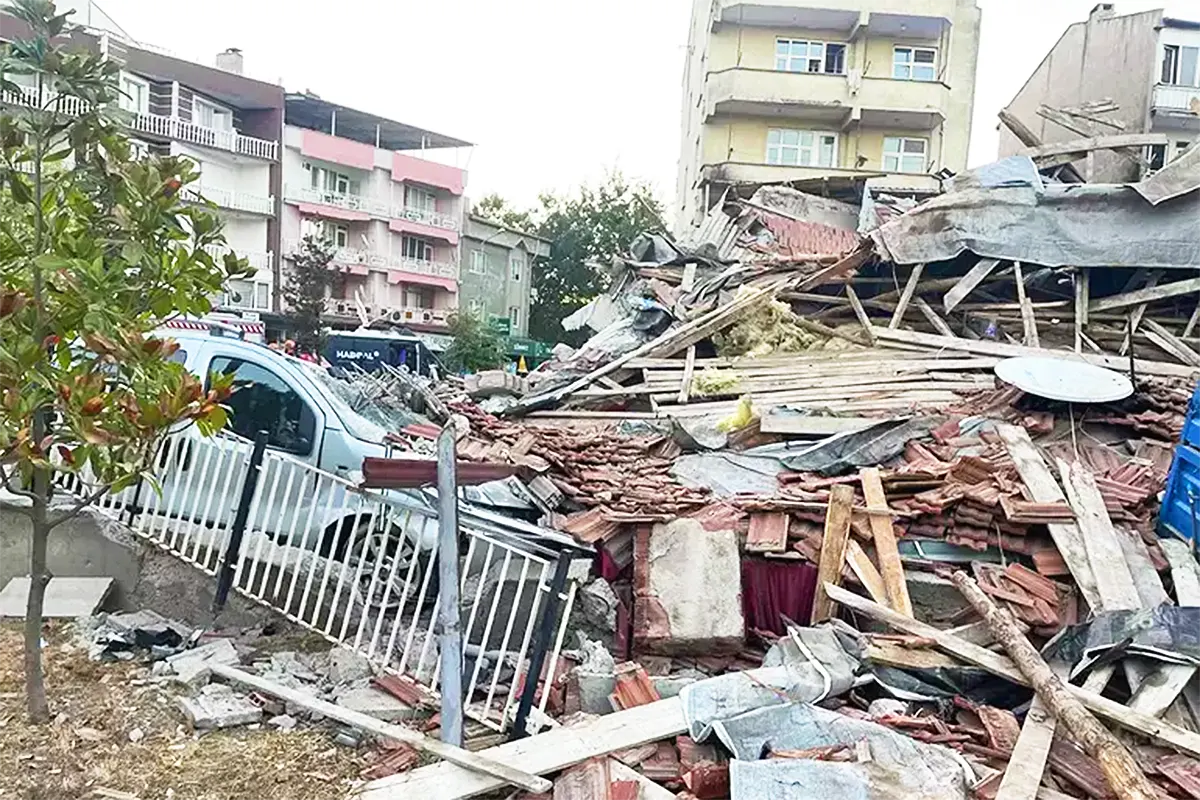
The only confirmed fatality so far as a result of last night’s violent earthquake is an 81-year-old man identified as Nihat Önbaş, who died shortly after being rescued from a collapsed building in Sındırgı as a result of his injuries, Interior Minister Ali Yerlikaya confirmed. Four other people were rescued alive from the same building, while an investigation has been opened to detect possible responsibility on the part of the contractor. In total – in addition to the collapse of a block of apartaments – at least 13 buildings were severely damaged in the area around the epicentre, and 61 others were slightly damaged.
Earthquake aftershocks every 3 minutes
The main damage occurred in rural areas, including a minaret that collapsed in the quake area. Another minaret located in the centre of Balıkesir and of great historical value, belonging to the so-called Yeşilli Mosque (“Green” Mosque) dating back to 1786, suffered several major cracks in its structure.
The power of the earthquake meant that the tremors were also felt in Istanbul, some 300 kilometres to the north, where many residents of districts to the south of the city spent the night in the open. In Balıkesir, local residents who also slept outside their homes commented in fear that aftershocks were occurring every three to five minutes.
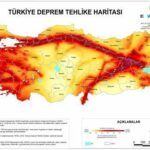
Seismologist expert Şener Üşümezsoy warned that the tectonic faults in the Sındırgı region are still very active and that the tremors will continue, with the risk of other nearby faults in western Anatolia such as those in Simav, Demirci and Uşak being activated, although it is unlikely that these seismic movements will trigger an earthquake in the Marmara region of northwestern Turkey, which includes Bursa and Istanbul.
VOTE

EDITORIAL TEAM
🧿 About us
.
Edited and reviewed by:

Pablo Gómez is a specialist in Turkey and has been editor-in-chief of Hispanatolia since 2011. He has been analysing current affairs and geopolitics in Turkey and the surrounding region since 2006.
…
📣 Your ADVERTISING on Hispanatolia
.
🤗 HELP US WITH A DONATION:
💗 Paypal