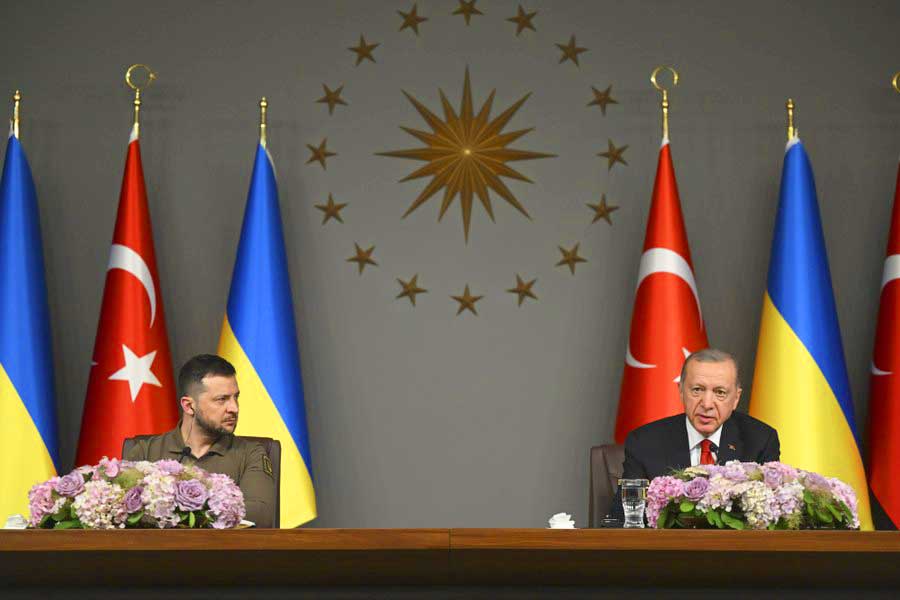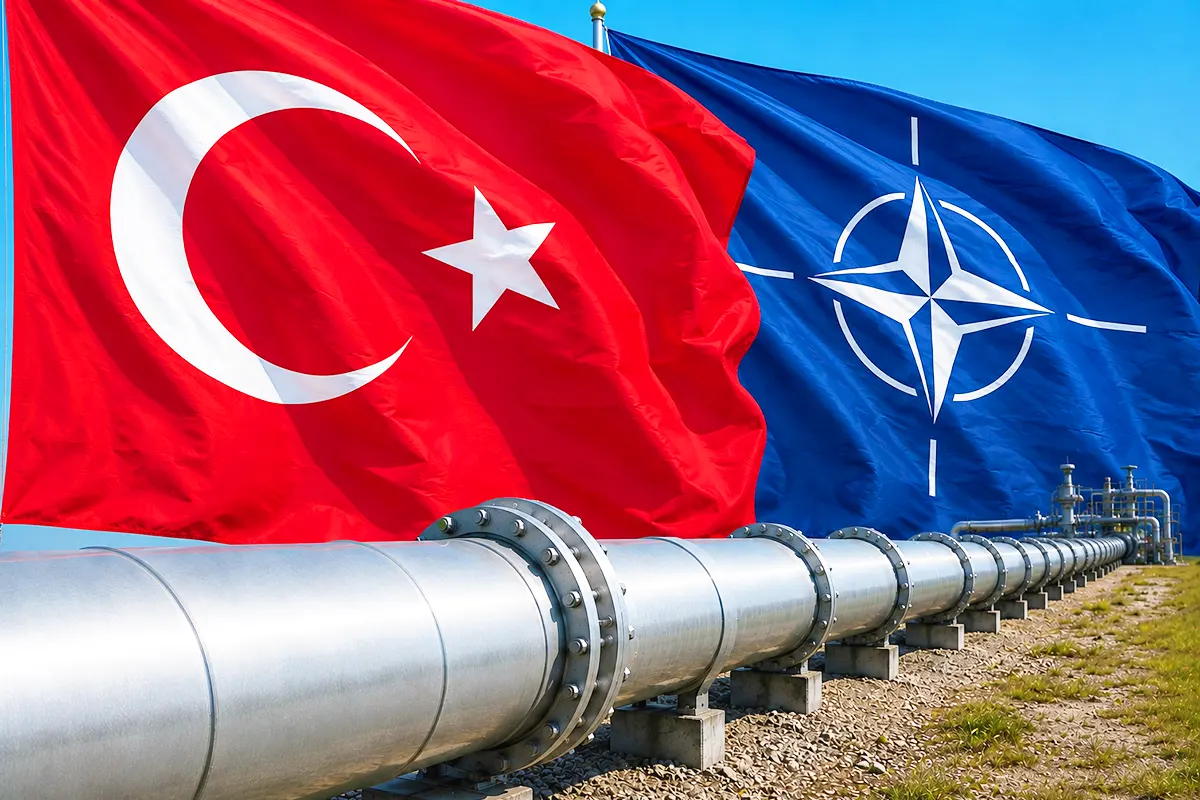
Turkey has proposed the construction of a military fuel pipeline to strengthen NATO’s energy supply network on the Alliance’s eastern flank, as confirmed by the Turkish Ministry of National Defence on 20 May: “Our project is five times more cost-effective than its alternatives and, if approved, will become operational in a much shorter time frame,” the Ministry of Defence stated in a press release.
According to reports in the Turkish media, the proposed infrastructure would be for military use and would connect Türkiye with Romania via Bulgaria, helping to meet the energy needs of NATO allies in Eastern Europe. The estimated cost of the project amounts to approximately $1.2 billion, equivalent to around €1 billion.
Sources close to the government cited by the Turkish press indicated that this route could be implemented for around one-fifth of the cost of other alternatives that have been previously proposed, including routes that would cross Greece or pass through Romania’s western neighbours. Conversely, the Turkish proposal is considered not only less expensive but also less vulnerable than these alternatives due to their heavy reliance on maritime transport.
Originally designed to supply allied forces in times of war, the current NATO fuel network only extends as far as Germany; the system comprises some 10,000 kilometres of pipelines spanning 12 allied countries and has a storage capacity of 4.1 million cubic metres. The infrastructure connects storage depots, air bases, civilian airports, pumping stations, rail and road freight terminals, refineries and fuel entry points.
NATO seeks to strengthen its eastern flank in the face of Russia and Middle East tensions
The large-scale invasion of Ukraine by Russia and the tensions in the Middle East have increased the need to strengthen NATO’s energy supply, particularly on its eastern flank. Recent disruptions to energy supplies resulting from the blockade of the Strait of Hormuz have further highlighted this need, and the importance of having a secure and low-cost supply chain for the alliance’s eastern members is becoming increasingly significant.
According to reports in the Turkish press, the pipeline proposed by Turkey would be for exclusively military use and would not be intended for civilian use, although the sources consulted declined to provide details on transport capacity and other technical specifications, citing reasons of confidentiality and security. Turkey is now seeking the backing of its allies to launch the initiative and, according to the sources, a decision on this proposal is expected to be taken before or even during the NATO summit scheduled for July, which is to be held in Ankara.
VOTE

EDITORIAL TEAM
🧿 About us
.
Edited and reviewed by:

Pablo Gómez is a specialist in Turkey and has been editor-in-chief of Hispanatolia since 2011. He has been analysing current affairs and geopolitics in Turkey and the surrounding region since 2006.
…
📣 Your ADVERTISING on Hispanatolia
.
🤗 HELP US WITH A DONATION:
💗 Paypal