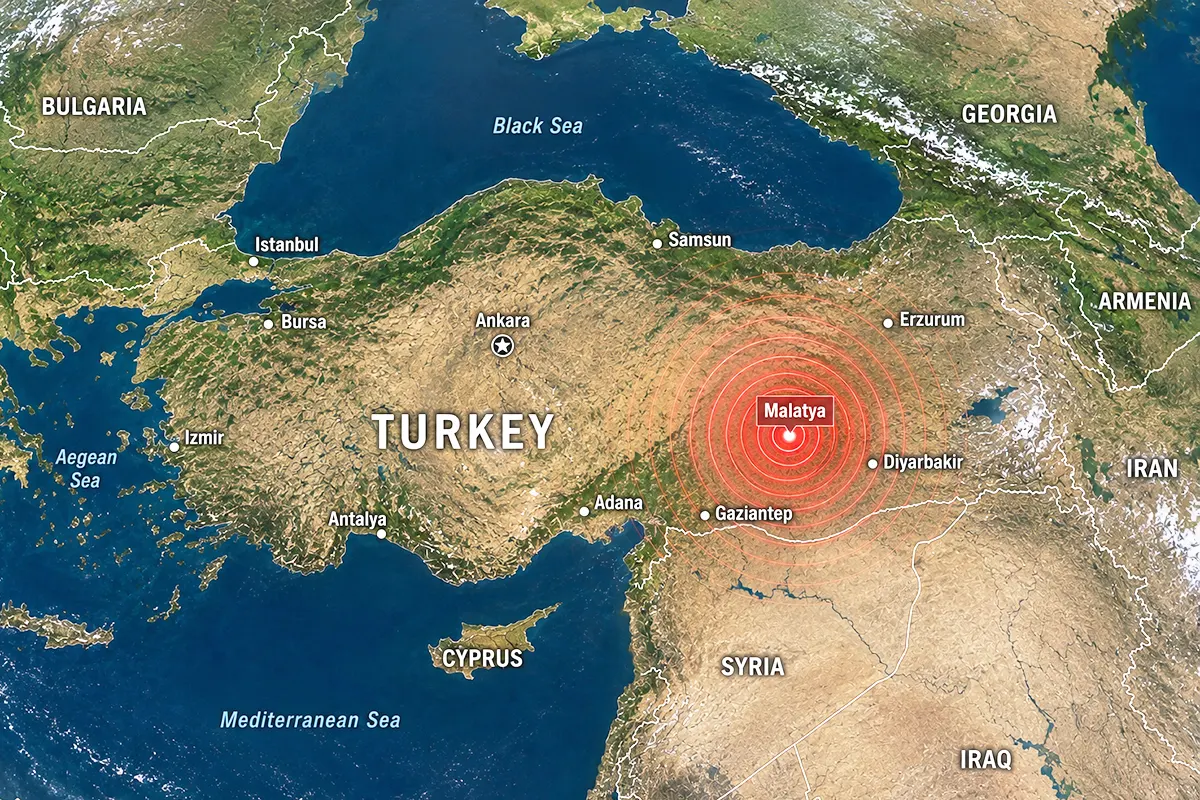
An earthquake measuring 5.6 on the Richter scale struck the eastern province of Malatya, in eastern Turkey, on 20 May, causing moments of panic among the population of the province and neighbouring areas. Although no fatalities have been reported as a result of the earthquake, authorities have decided to suspend school activities for one day across the entire province as a precautionary measure.
According to data released by the Turkish Disaster and Emergency Management Agency (AFAD), the earthquake had its epicentre in Battalgazi and occurred at around 9.00 am at a depth of 7.03 kilometres; the prestigious United States Geological Survey (USGS) estimated the magnitude of the tremor at 5.4 on the Richter scale. Subsequently, at 10.21 am local time (9.21 am CET), a second earthquake of magnitude 3.6 was recorded in the same area, which according to AFAD occurred at a depth of 12.1 kilometres.
“Following the 5.6-magnitude earthquake that occurred at 09:00 in the district of Battalgazi, in the province of Malatya, and which was also felt in the provinces of Adıyaman, Elazığ, Tunceli and Şanlıurfa, there are currently no adverse effects. Assessment work on the ground is continuing. We send our best wishes to the affected citizens,” AFAD reported in a statement released via social media. The tremor was also felt in other provinces in the region, such as Kahramanmaraş, Gaziantep, Diyarbakır, Kayseri and Sivas, reported the Turkish news agency Anatolia.
Following the tremor, numerous panicked citizens fled buildings and ran to take refuge in open areas, as captured by security camera footage. The governor of Malatya, Seddar Yavuz, reported after a coordination meeting held at the provincial AFAD headquarters that the 112 Emergency Centre had received more than 80 calls.
74 people treated at health centres
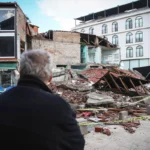
“So far, we have received reports across our province of partial collapses in three barns, partial damage to a house and the collapse of a retaining wall,” he said. “So far, 74 citizens have come to our health centres; 15 of them for anxiety attacks, that is, for psychological reasons, and 15 with minor injuries. Treatment for 46 citizens has been completed and they have already been discharged. Currently, 18 citizens remain in hospital under observation,” added the governor.
Subsequently, the Malatya Governor’s Office announced in a written statement that, due to the earthquake in Battalgazi and in order to ensure the safety of students and citizens, classes in primary schools, secondary schools and universities have been suspended for one day across the entire province. Meanwhile, local authorities in Malatya confirmed that the turbidity observed in the water supplied to the drinking water network is temporary and is due to natural movements recorded in the water sources following the earthquake.
The region could suffer destructive earthquakes in the future, seismologists warn
In comments reported by the Turkish newspaper Hürriyet, Professor Hasan Sözbilir, director of the Centre for Seismic Research and Applications (DAUM) at Izmir 9 September University (DEÜ), explained that the Uluova-Yeşilyurt fault zone – responsible for today’s earthquake in Malatya – has a total length of 200 kilometres, and warned that “in the paleoseismic trenches we have excavated along the tectonic fault, we have determined that it has produced destructive earthquakes in the past as a result of surface faults. This demonstrates that the fault has the potential to produce destructive earthquakes in the future”.
“According to our findings, today’s tremor can be considered an earthquake triggered by the earthquakes of 6 February 2023. The magnitude of today’s tremor is below the threshold associated with loss of life and material damage; however, it is extremely important that citizens whose homes have been damaged inform the relevant authorities and take appropriate action,” emphasised the renowned Turkish seismologist.
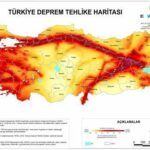
Malatya was severely affected by the earthquakes with their epicentre in Kahramanmaraş that devastated the entire south-eastern region of Turkey on 6 February 2023, leaving more than 53,000 dead. Since then, the province has been rocked by earthquakes of varying intensity, usually below magnitude 4 on the Richter scale.
VOTE

EDITORIAL TEAM
🧿 About us
.
Edited and reviewed by:

Pablo Gómez is a specialist in Turkey and has been editor-in-chief of Hispanatolia since 2011. He has been analysing current affairs and geopolitics in Turkey and the surrounding region since 2006.
…
📣 Your ADVERTISING on Hispanatolia
.
🤗 HELP US WITH A DONATION:
💗 Paypal