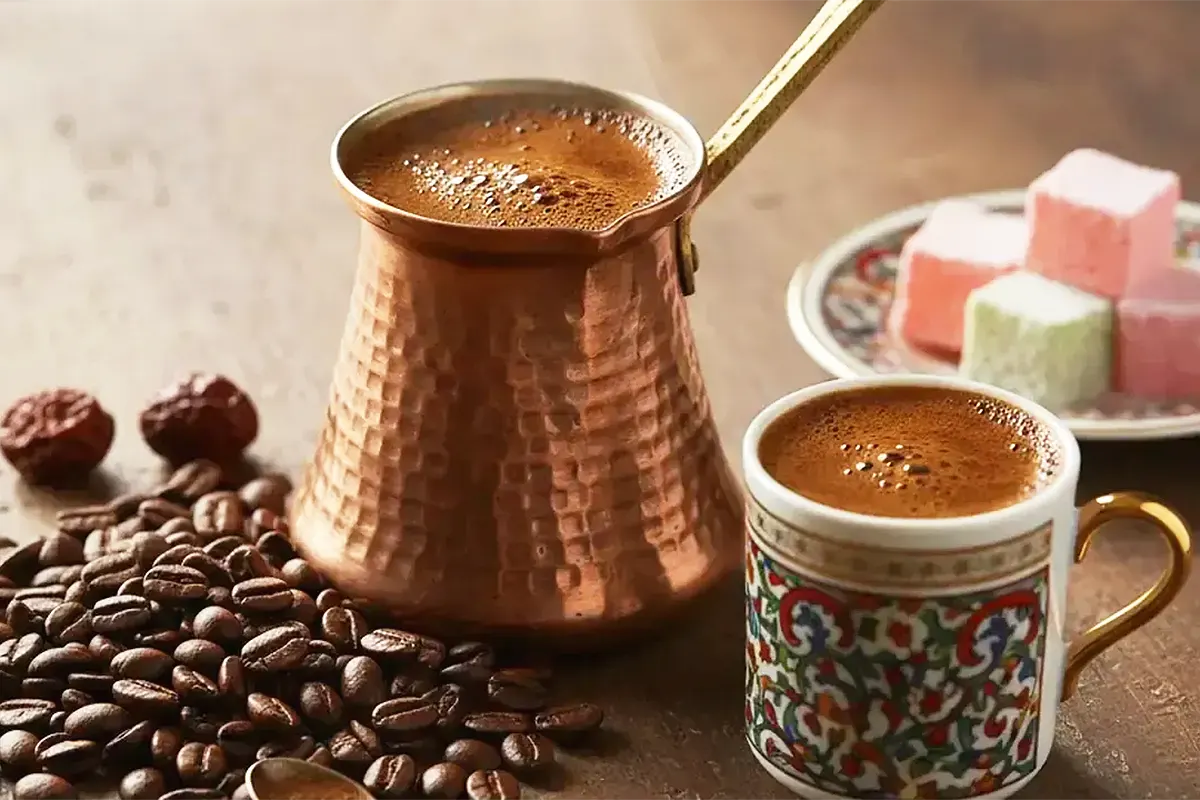
Turkish coffee has officially become the first traditional Turkish product to be recognised by the European Union under the ‘Traditional Specialties Guaranteed’ (TSG) category, a decision published in the EU’s Official Journal after a three-month review process confirms.
The Turkish news agency Anatolia indicated that this recognition comes after Hatay’s kaytaz böreği and Gaziantep’s lahmacun were granted EU geographical indication (GI) protection this year. According to the Union of Chambers and Commodity Exchanges of Turkey (TOBB), Turkish coffee has been declared a ‘traditional product name’ in the EU, marking a milestone for the country’s gastronomy.
In a statement, TOBB stressed that Turkish coffee is “one of the most deeply rooted symbols of our culture” and recalled that it has also been on UNESCO’s Intangible Cultural Heritage of Humanity List since 2013. “With more than 500 years of history, it is not just a drink; it is a symbol of hospitality, conversation and friendship. At TOBB we continue to work to protect our local and traditional values, promote them around the world and register them. The unique aroma and taste of Turkish coffee is also being recognised in Europe,” the institution said.
TOBB President Rifat Hisarcıklıoğlu celebrated via social media the European recognition of Turkish coffee, while underlining that Hatay’s kaytaz börek has become the 39th EU GI product for Türkiye, while Gaziantep’s lahmacun has become the 40th.
The products from Turkey that have so far been included in the European GI register are:
- Baklava from Gaziantep
- Figs from Aydın
- Apricots from Malatya
- Chestnuts from Aydın
- Olive oil from Milas
- White wine from Bayramiç
- Garlic from Taşköprü
- Coarse hazelnut from Giresun
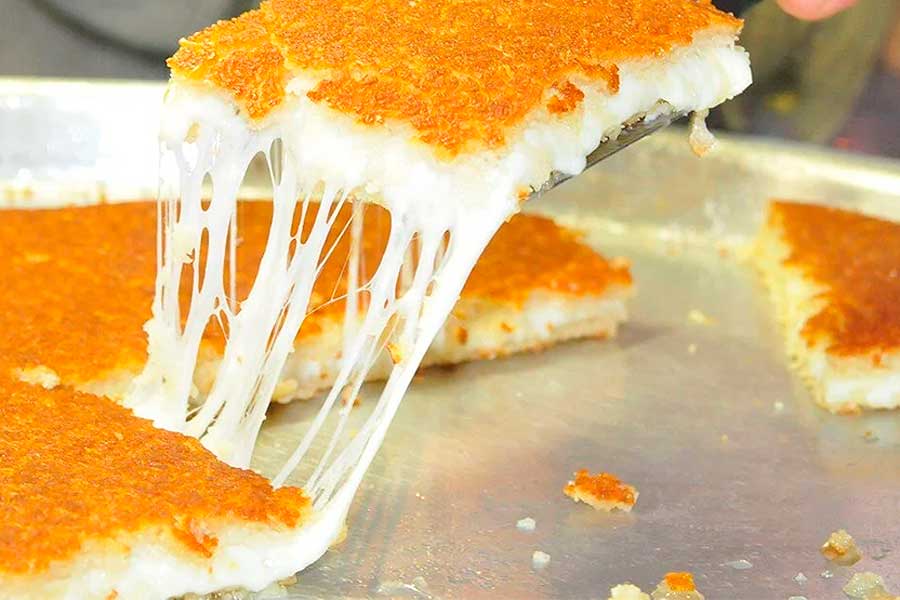
- Künefe from Antakya
- Pomegranate from Suruç
- Walnuts from Çağlayancerit
- Olives from Gemlik
- Olive oil from Edremit
- Olives from Milas
- Tomatoes from Ayaş
- Tarhana from Maraş
- Green striped olives from the Gulf of Edremit
- Cheese from Ezine
- Saffron from Safranbolu
- Memecik olive oil from Aydın
- Garlic from Araban
- Peanuts from Osmaniye
- Honey from Bingöl
- Peaches from Bursa
- Strawberries from Hüyük
- Black fig from Bursa
- Cotton from Söke
- Mesir paste from Manisa
- Gaziantep terebinth coffee
- Yoghurt from Silifke
- Memecik olives from Aydın
- Tulum cheese from Erzincan
- Pine nuts from Aydın
- Pastrami from Afyon
- Afyon sausage
- Pistachio paste from Gaziantep
- Olive oil from Mut
- Melon from Kırkağaç
- Kaytaz börek from Hatay
- Lahmacun from Gaziantep
VOTE

EDITORIAL TEAM
🧿 About us
.
Edited and reviewed by:

Pablo Gómez is a specialist in Turkey and has been editor-in-chief of Hispanatolia since 2011. He has been analysing current affairs and geopolitics in Turkey and the surrounding region since 2006.
…
📣 Your ADVERTISING on Hispanatolia
.
🤗 HELP US WITH A DONATION:
💗 Paypal