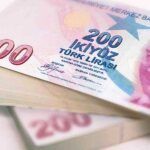
Inflation in Turkey eased in June to 32.11% year-on-year, slightly below market forecasts, as the monthly rise in prices was held in check by reduced pressure linked to the cost of energy and fuel.
According to the report published by the Turkish Statistical Institute (TÜİK), the monthly CPI rose by 0.99% compared with May, whilst cumulative inflation since the end of last year stood at 17.76%. Economists had forecast that monthly inflation would reach 1.04% and that the annual CPI rate would stand at 32.17%.
Among the three main expenditure groups, housing — which includes water, electricity, gas and other fuels — recorded the highest year-on-year increase, at 45.14%, although following the poor inflation figures in May it had risen to 45.59%. This group alone contributed 5.92 percentage points to annual inflation.
Meanwhile, food and non-alcoholic beverages rose by 35.45% compared with the same month of the previous year, contributing 8.61 percentage points to the overall figure, whilst transport recorded a year-on-year increase of 31.15%, contributing 5.19 points.
On a monthly basis, the housing, water, electricity, gas and other fuels group rose by 2.30%, contributing 0.27 percentage points to monthly inflation. Food and non-alcoholic beverages rose by 0.17% compared with the previous month, whilst transport prices fell by 0.05%, limiting upward pressure on the overall index.
Following the end of the Strait of Hormuz blockade, disinflation continues
Turkey’s Minister of Treasury and Finance, Mehmet Şimşek, stated after reviewing the latest inflation figures for June that the disinflation process, which had been interrupted by the rise in global energy prices caused by supply disruptions resulting from the blockade of the Strait of Hormuz, has resumed.
“For the remainder of the year, we expect disinflation in Turkey to continue thanks to the normalisation of commodity prices, rule-based pricing practices, the downward trend in rent inflation and a moderate outlook for demand,” the minister said. “We continue to maintain our policies in line with our objective of achieving lasting price stability,” he concluded.
VOTE

EDITORIAL TEAM
🧿 About us
.
Edited and reviewed by:

Pablo Gómez is a specialist in Turkey and has been editor-in-chief of Hispanatolia since 2011. He has been analysing current affairs and geopolitics in Turkey and the surrounding region since 2006.
…
📣 Your ADVERTISING on Hispanatolia
.
🤗 HELP US WITH A DONATION:
💗 Paypal