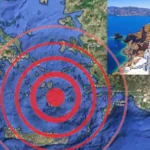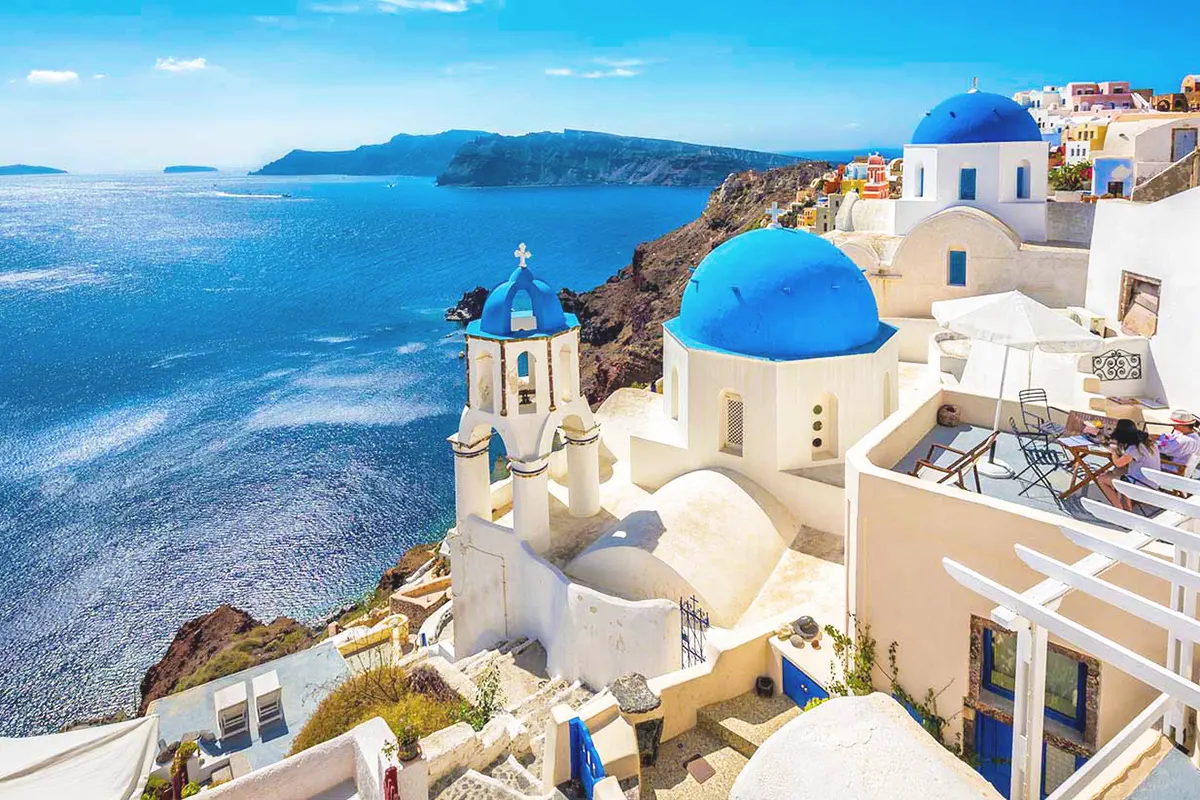
Greece as announced new civil protection measures on the island of Santorini, one of the country’s main tourist destinations, to ensure a rapid and safe evacuation following the wave of earthquakes that hit the island between February and March and amid concerns among scientists about a possible volcanic eruption.
According to Greek media reports, the measures, which have already been published in the Official State Gazette, have been approved jointly by the ministries of Climate Crisis and Civil Protection, Economy, Interior, Citizen Protection, Development, Social Cohesion, Maritime Affairs, and Tourism; they will remain in force until 15 November, and are based on recommendations from the Scientific Committee for Seismic Hazards and Risk Assessment an also the Permanent Scientific Committee for the Monitoring of the Greek Volcanic Arc.
The main objective of these measures is to regulate access and overnight stays in specific areas of the Santorini volcano complex according to the level of risk, as well as to avoid large concentrations of people in public places and ensure a rapid and efficient response in case of emergency. Restrictions are also being imposed on the entry and exit of vehicles at the island’s main ports, and certain areas in the ports are being designated as emergency zones.
Finally, unauthorised persons are prohibited from entering areas of the island identified as prone to landslides in the event of seismic activity. The ministerial resolution includes the establishment of fines for those who fail to comply with these new regulations, regardless of the civil or criminal liability arising from such actions. Changes to the measures implemented or new restrictions are also not ruled out if recommended by the scientific committees responsible for monitoring volcanic and seismic activity in Santorini.
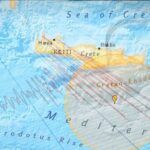
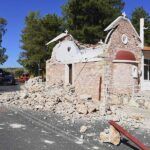
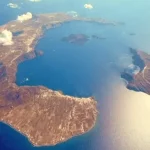
Greek Prime Minister Kyriakos Mitsotakis has approved an aid package for employees and businesses affected by the disruption of tourism in Santorini – which receives more than 3 million tourists a year – during the earthquakes that shook the island in recent months, forcing schools to close and many of its inhabitants to flee Santorini to mainland Greece. The current island of Santorini is actually the remains of a huge volcanic caldera that exploded after a major volcanic eruption some 3,500 years ago, completely destroying the Minoan civilisation and other large cities in the Mediterranean. A 6.0 magnitude earthquake that struck just a few days ago off the coast of Crete is a reminder that this is one of the most seismically active regions on the planet.
VOTE

EDITORIAL TEAM
🧿 About us
.
Edited and reviewed by:

Pablo Gómez is a specialist in Turkey and has been editor-in-chief of Hispanatolia since 2011. He has been analysing current affairs and geopolitics in Turkey and the surrounding region since 2006.
…
📣 Your ADVERTISING on Hispanatolia
.
🤗 HELP US WITH A DONATION:
💗 Paypal