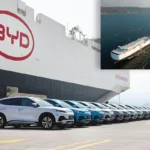
Another Chinese carmaker is reportedly considering investments to move its production for the European market to Turkey, after BYD – the world’s largest electric car maker – signed an agreement with the Turkish Ministry of Industry and Technology yesterday to invest USD 1 billion in a new car manufacturing plant on Turkish soil.
According to reports in Turkish media such as Bloomberght, BYD’s investment plans in Turkey include the construction of a factory in Manisa with the capacity to produce 150,000 vehicles per year, as well as a mobility and R&D centre. Production would start by the end of 2026 and the new plant would create 5,000 direct jobs in Turkey, according to information released by the Turkish Ministry of Industry and Technology following the signing of the agreement in Istanbul, a ceremony held yesterday attended by Minister Mehmet Fatih Kacır, BYD CEO Wang Chuanfu and Turkish President Tayyip Erdoğan.
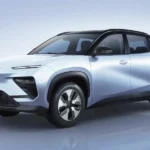
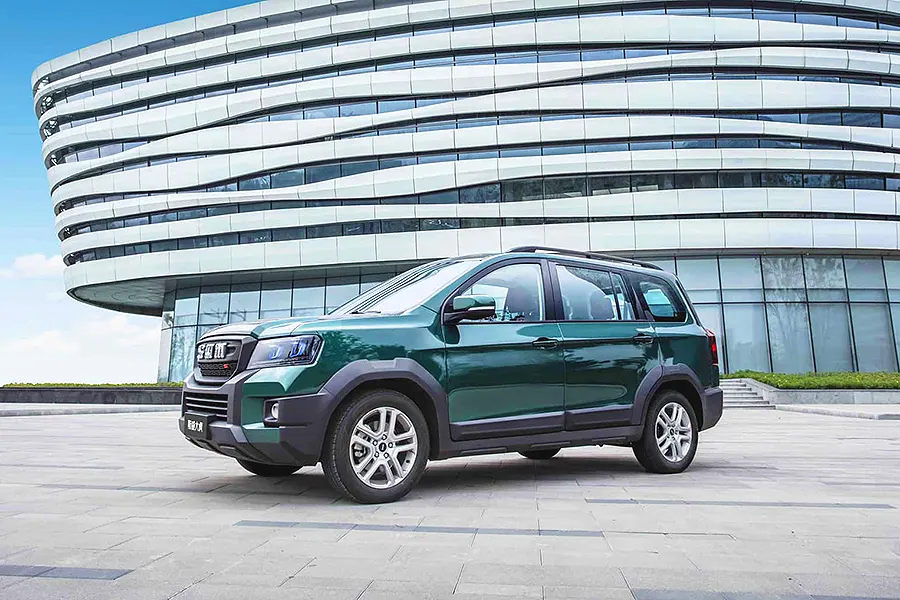
According to reports in the Turkish press, the signing reportedly took place on the same day that another Chinese carmaker, SWM, submitted an official request to build a production plant in Turkey that would have “capacity for more than 50,000 vehicles“, according to statements made by Anto Chernov, head of the Atmo Group, which exclusively represents the SWM brand in Turkey.
“We started negotiations months ago with the Ministry of Industry for production in Turkey, and we are in contact with the Ministry of Trade and the Turkish Investment Office,” said Chernow, who added that the new production plant will serve the Turkish market demand but will also be destined for exports to Balkan countries and part of the EU.
SWM is an Italian SUV brand that in 2014 was acquired by Chinese carmaker Shineray Group; the Chinese brand entered the Turkish market late last year, and sees the Eurasian country as the centre of its global growth strategy. For its part BYD is seen as Tesla‘s Chinese rival, and experts predict that it could sell at least 25,000 electric vehicles a year in Turkey and export some 75,000 to the EU, despite new tariffs of up to 38% imposed by Brussels on Chinese car imports.
VOTE

EDITORIAL TEAM
🧿 About us
.
Edited and reviewed by:

Pablo Gómez is a specialist in Turkey and has been editor-in-chief of Hispanatolia since 2011. He has been analysing current affairs and geopolitics in Turkey and the surrounding region since 2006.
…
📣 Your ADVERTISING on Hispanatolia
.
🤗 HELP US WITH A DONATION:
💗 Paypal