Shops, supermarkets and online sales platforms in India seem to have launched a campaign to boycott Turkish products, ranging from food to clothing and cosmetics, but which is also spreading to universities and travel agencies, among other sectors. Behind this boycott appears to be the support shown by the Turkish government, and specifically by Turkish President Tayyip Erdoğan, to Pakistan during the recent conflict with India over Kashmir.
The recent tensions with India once again highlighted the close political ties that Pakistan and Turkey have maintained since practically the founding of the Turkish Republic, but the response from consumers and businesses in India, a country with more than 1.5 billion inhabitants, has been swift. The All India Consumer Products Distributors Federation (AICPDF) announced on 19 May an ‘indefinite and total boycott’ of Turkish products, which it will no longer distribute to millions of grocery stores across the country. In addition, several physical and online retail stores have begun to remove Turkish brands such as Trendyol, Koton, LC Waikiki and Mavi from their stocks.
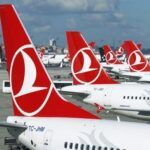
The boycott in India against Turkey goes beyond products, however. Some Indian universities have already announced the suspension of their academic agreements with Turkish institutions, according to local media reports. Similarly, Indian aviation authorities are reportedly banning certain Turkish airlines from operating at their airports, citing ‘national security concerns.’ The campaign is also reaching travel agencies in India, which claim to have noticed a significant increase in cancellations of trips to Turkey due to the boycott.
Turkish support for Pakistan in the Kashmir conflict
According to the Times of India newspaper, behind this campaign against Turkey is the explicit support shown by Erdoğan during the recent conflict between India and Pakistan. The Indian newspaper claims that ‘Turkey’s President Recep Tayyip Erdoğan, who has always supported Pakistan’s claims in Kashmir, reportedly supplied more than 350 drones and some military operatives to Pakistan during the conflict’.
‘Major tourism platforms have reported a 60% reduction in bookings by Indians in holidays in Turkey and a more than 250% increase in cancellations,’ the newspaper said, recalling that in 2024 more than 300,000 Indian tourists visited the Eurasian country, not counting the popularity of Indian weddings in destinations such as Antalya, and that Turkish exports to India amounted to $3.780 million dollars in 2023-2024, while exports to Pakistan last year totalled only $918 million, meaning that these ‘cannot compensate for the loss of exports to India’.
‘There is no doubt that the Turkish economy is facing one of the most serious economic crises in Turkey’s recent history, with extremely high inflation, while the Turkish lira has sunk to unprecedented lows,’ reports the Indian newspaper, which claims that Turks are struggling to buy food and pay high rents, blaming ‘Erdoğan’s misguided economic policies,’ such as his insistence on keeping interest rates unrealistically low, his public spending spree and his penchant for constructing mega projects‘.
’The boycott will deprive Turkey of desperately needed foreign exchange and trade with one of the world’s biggest economies and strain its diplomatic ties with India,‘ says the Indian newspaper, concluding that ’Erdoğan’s insistence on implementing his unorthodox monetary policies and the Indian boycott of Turkish products triggered by Ankara’s intervention in the conflict between India and Pakistan will undoubtedly make the life of ordinary Turks much more difficult.”
The real effects of the Indian boycott of Turkey
While it seems clear that a boycott in India of Turkish products and companies has been launched, it remains to be seen what the consequences will be, and it is too early to determine whether the boycott campaign against Turkey will gain sufficient support among the Indian population.
In any case, regardless of its economic repercussions – which it will obviously have – for certain Turkish brands and companies, India is neither one of Turkey’s main trading partners nor one of the main countries of origin of tourists visiting the country: India accounts for just over 1% of Turkish exports, according to available data, while in the tourism sector, Indian tourists account for only 0.6% of the total of the more than 50 million tourists who visited Turkey last year.
For now, the boycott has gone virtually unnoticed in the numerous print, broadcast and online media in Turkey, which have barely mention it. In this regard, a video that appeared in recent days on social media in which the Turkish government allegedly made a ‘desperate’ appeal – according to Indian media reports – to Indian citizens not to support the boycott of Turkish products and tourism, has been proven to be false, as confirmed by independent analyses.
VOTE

As a history lover, Pablo Gómez was captivated by Turkey from the first day he visited it in 2006: he got married there, has a house there… and has since become an expert on Turkey’s current affairs. With a long experience in media, he has been at the helm of hispanatolia.com since 2011.