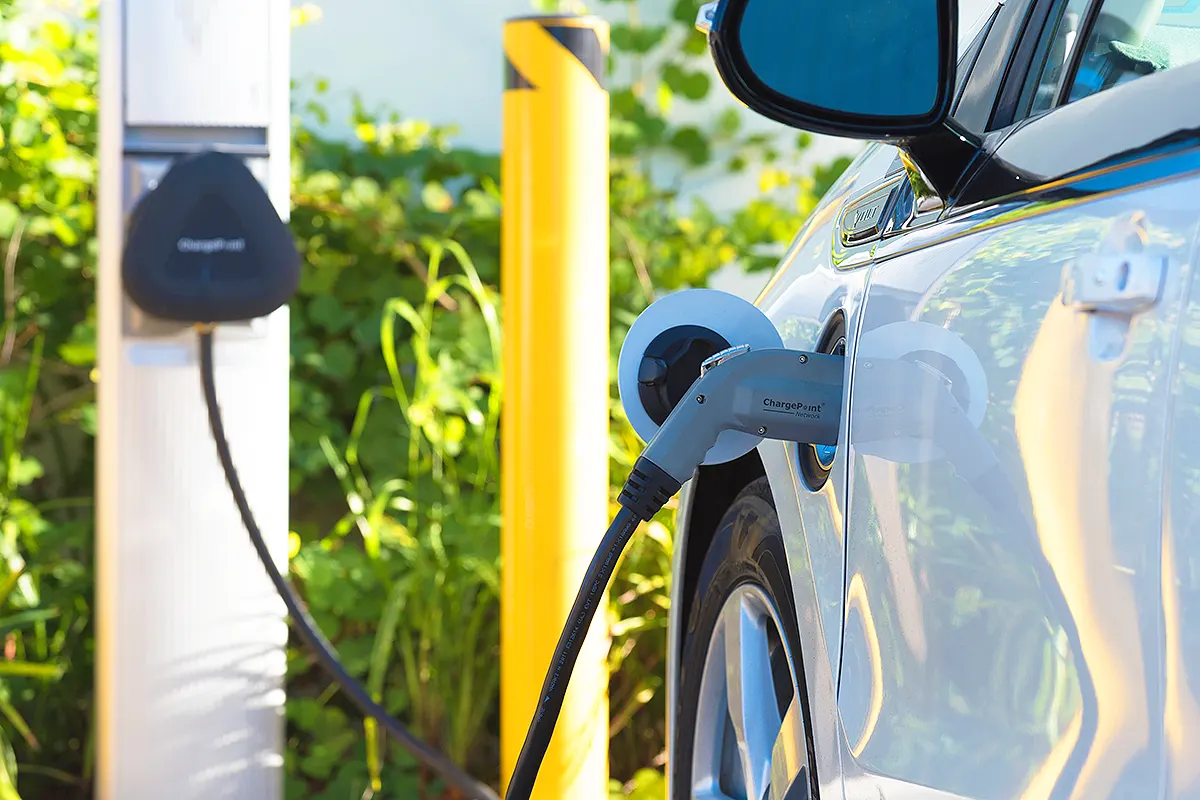
The sharp rise in fuel prices due to the war in the Middle East is redirecting the demand of many consumers towards electric cars, something that is already noticeable in many EV brand dealerships in Turkey, in line with a trend that is also being observed in other countries in Asia and Europe.
As of March 2026, the automotive sector shows a clear trend. Many consumers seem to be turning to electrics as a hedge against fuel price rises, seeing them not only as sustainable but also as a more economically secure option in the face of oil price fluctuations.
The war, which began on 28 February, has completely altered the transit through the Strait of Hormuz, a key maritime route through which around 20% of the world’s oil supply passes, directly impacting oil prices. According to European Commission data cited by Turkish media, the price of a litre of petrol in the European Union rose by 12% between 23 February and 16 March, to an average of 1.84 euros.
In Turkey, petrol has risen by 10% and diesel by 25%
In the case of Türkiye, while on 28 February – the day that the US and Israel launched the first attacks against Iran – Turkish drivers paid 57 Turkish liras per litre of petrol and 60 liras for diesel, and charging an electric car at a fast-charging station cost around 14 liras per kWh; by 29 March petrol had risen to 63 liras per litre (up 10.5%) and diesel to 75 liras (up 25%), while the cost of electric charging remained unchanged.
Europe is also seeing renewed interest in electric vehicles. The German new and used car sales platform MeinAuto has reported a 40% increase in online searches for electric cars since the start of the conflict, confirming this growing interest from many citizens who are now more aware than ever of how vulnerable their economies are to dependence on oil prices.
In Turkey, although official data is limited, sales activity at Tesla and TOGG (a leading Turkish brand in the domestic market) outlets shows a clear increase in demand for this type of vehicle, as confirmed by industry experts; to this must be added the incentives of brands such as TOGG, which offers six months of free charging to its customers, or Tesla, which offers 12,000 kilometres of free charging to its buyers.
Electric car sales have doubled in Turkey
According to data from the Turkish Statistical Institute (TÜİK), the total number of cars registered in Turkey amounted to 17,523,423 in February; in parallel, and aside from concerns about the war in the Middle East and fuel prices, the electric vehicle fleet in the Eurasian country has experienced accelerated growth in recent years, rising from just 565 units in 2015 to 183,776 in 2024 and reaching 370,591 units by the end of 2025.
In the last year alone, the number of electric cars has almost doubled (the growth has been 92%, according to figures published by Turkish media) from 206,022 vehicles in February 2025 to 395,697 in February 2026, confirming a continuing trend in the automotive market towards electrification.
VOTE

EDITORIAL TEAM
🧿 About us
.
Edited and reviewed by:

Pablo Gómez is a specialist in Turkey and has been editor-in-chief of Hispanatolia since 2011. He has been analysing current affairs and geopolitics in Turkey and the surrounding region since 2006.
…
📣 Your ADVERTISING on Hispanatolia
.
🤗 HELP US WITH A DONATION:
💗 Paypal