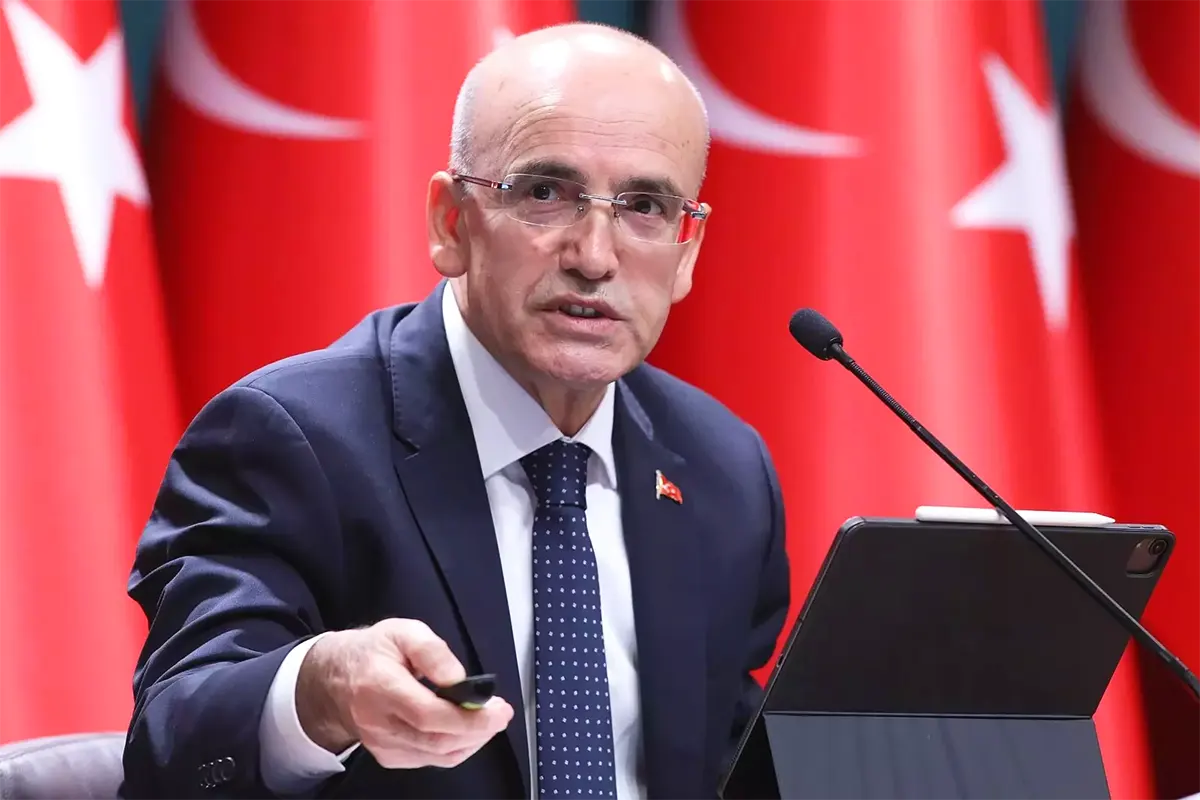
The economic impact of the ongoing US-Israel-Iran war could be kept under control if it lasts no longer than one to two months, Turkey‘s Finance Minister Mehmet Şimşek has said, but warned of greater risks if the conflict with Iran drags on beyond that limit.
During an interview with a television channel reported by several Turkish media, Şimşek stressed that the war is significantly affecting world growth and the global economy: “There are serious problems both in the Red Sea and in the Strait of Hormuz. This affects transport from Asia to Europe and from Europe to Asia. It also affects world trade and global inflation. If the war continues, there is a serious risk of inflation,” he warned.
In this regard, the minister recalled last year’s conflict between Israel and Iran – the so-called ‘12-Day War’ – and pointed out that the closure of the Strait of Hormuz, along with its impact on energy and commodity trade, would have certain effects on the Turkish economy. “We believe that the effects are manageable if (the war) lasts 1-2 months; but if it is prolonged, there is the possibility of negative impacts on the current account deficit and inflation. We should not underestimate the impact of the war, but we are managing the possible impacts.”
Şimşek also highlighted the measures taken by the Turkey’s Central Bank: “Our Central Bank has taken measures, especially important steps to manage the exchange rate and the liquidity of the Turkish lira. Forward sales operations of foreign currencies settled in Turkish lira have been initiated,” he said, adding that action has also been taken in the financial markets: “Our Capital Markets Authority has taken significant measures against speculative movements in the stock and capital markets; we have temporarily banned short selling in the stock market. We have reduced the volume of trading, thus reducing volatility and market fluctuations“.
Measures to limit fuel prices
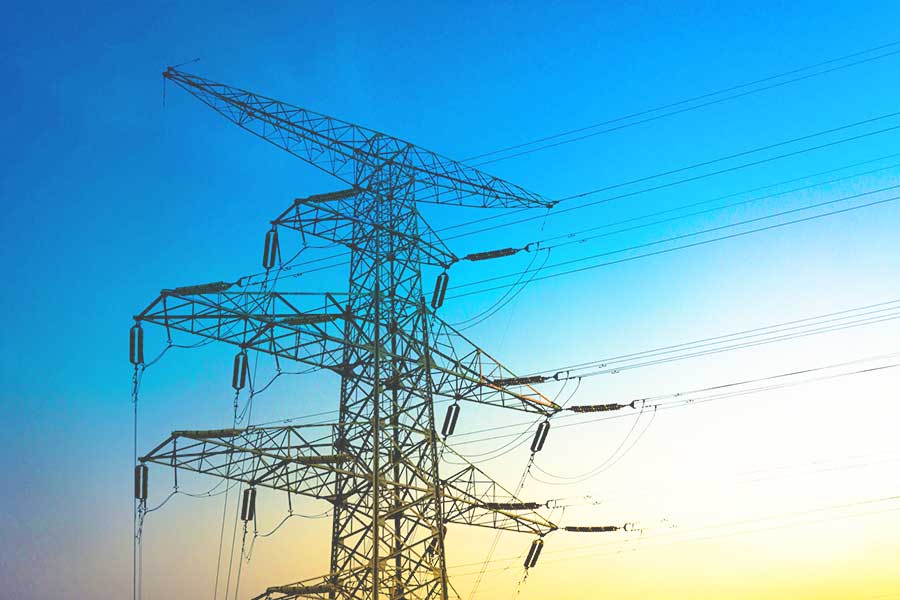
On the energy price hike, Şimşek explained that the Turkish government has implemented a sliding scale fuel price system to contain the impact of rising oil prices on consumers. “If we had not implemented this system, with the increase in crude oil prices, the price of diesel would have reached 83 liras and 10 kuruş (lira cents). It is currently at 67 liras and 10 kuruş thanks to the sliding scale system. Similarly, the price of petrol is currently 62 liras and 30 kuruş, while without this system it would have been 71 liras and 11 kuruş,” he stressed.
The aim, the minister pointed out, is to limit the impact of the war on the population: “We wanted to limit its effect on our citizens. We believe this is temporary. But if it becomes permanent, it is not sustainable. We implemented this system assuming it would be temporary, because its impact on the budget is very high; it is an important source of revenue for us,” he warned.
Regarding price developments, the minister assured that inflation in Turkey will continue to decline this year. “Of course, we are facing a serious impact due to the war between the US, Israel and Iran. I am saying this on the assumption that (the conflict) will be temporary, so inflation will continue to fall this year. I am more concerned about the current account deficit, although I still think it will be manageable,” he concluded.
VOTE

EDITORIAL TEAM
🧿 About us
.
Edited and reviewed by:

Pablo Gómez is a specialist in Turkey and has been editor-in-chief of Hispanatolia since 2011. He has been analysing current affairs and geopolitics in Turkey and the surrounding region since 2006.
…
📣 Your ADVERTISING on Hispanatolia
.
🤗 HELP US WITH A DONATION:
💗 Paypal