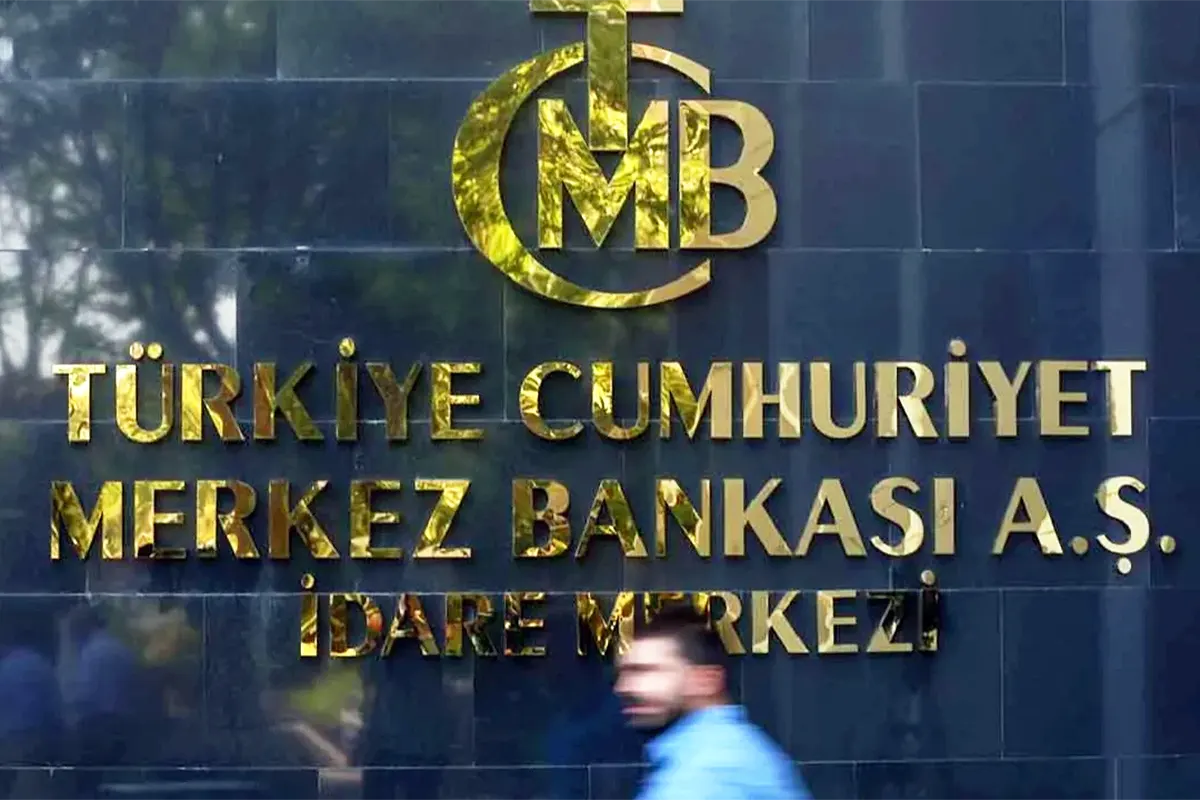
At its first monetary policy meeting of 2026, Turkey’s Central Bank (TCMB) decided to cut its main interest rate by 100 basis points to 37%, continuing the trend of rate cuts in recent months despite inflation still remaining high. The announced cut was in fact less than markets had anticipated, as most pre-announcement surveys pointed to a 150 basis point cut.
As reported by several Turkish media, the Central Bank said it lowered the one-week repo rate from 38% to 37%; it also reduced the overnight lending rate from 41% to 40%, while the overnight borrowing rate was cut from 36.5% to 35.5%. According to the Bank, these decisions aim to support price developments without destabilising economic expectations.
In its statement, the Turkish Central Bank said it will maintain a tight monetary policy until price stability is achieved, reinforcing the disinflation process through demand, exchange rate and expectations channels: “The size of the (rate) change is reviewed cautiously on a meeting-by-meeting basis, focusing on the inflation outlook… The monetary policy stance will be tightened in the event that the inflation outlook deviates significantly from the expected targets”.
Official data show that the Consumer Price Index (CPI), despite remaining at very high rates, closed December 2025 slightly above 30% – at 30.89% y/y -, its lowest level since late 2021, with a monthly increase of just 0.89%: figures that in both cases exceeded forecasts and were helped by moderation in food prices.
However, analysts warn that inflation could show volatile readings in the coming months due to price updates with the start of the year and the announced 27% increase in the minimum wage for 2026. Turkey’s Central Bank governor, Fatih Karahan, recently noted that these factors may generate “noisy” data in January and February, but suggested at the same time that lower inertia in services could support the disinflationary trend and underpin further interest rate cuts.
VOTE

EDITORIAL TEAM
🧿 About us
.
Edited and reviewed by:

Pablo Gómez is a specialist in Turkey and has been editor-in-chief of Hispanatolia since 2011. He has been analysing current affairs and geopolitics in Turkey and the surrounding region since 2006.
…
📣 Your ADVERTISING on Hispanatolia
.
🤗 HELP US WITH A DONATION:
💗 Paypal