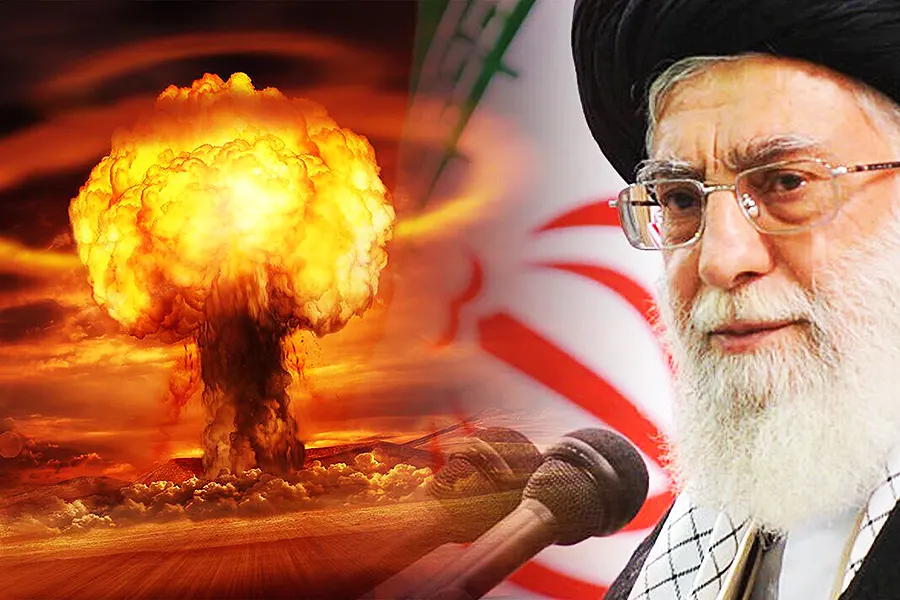
Dozens of MPs in Iran have urgently called for the country to develop an arsenal of atomic bombs to deal with the growing threat from Israel in the region. Despite a fatwa issued two decades ago by Ayatollah Ali Khamenei that considered nuclear weapons contrary to the principles of Islam, today 70% of Iranians believe their country should get nukes to protect itself from external attack.
In statements reported by Iranian media, Iranian MP Hassan Ali Akhlaghi explained that he and 38 other parliamentarians have signed a letter to Iran’s National Security Council calling for the urgent development of atomic weapons in the face of the growing threat posed by Israel in the region, advocating a ‘change in Iran’s defence doctrine’.
‘No international organisation, no European country, not even the United States, can stop the Zionist regime (Israel) today, and this regime commits any crime it wants. That is why we have written this letter,’ Akhlaghi said.
Two decades ago Iranian supreme leader Ayatollah Ali Khamenei issued a fatwa (religious edict) declaring nuclear weapons prohibited according to Islamic principles. However, since Israel’s offensive on Gaza and attacks on Iran’s allies such as Lebanon, Syria and Yemen, more and more voices in Iran are calling for this policy to be abandoned and for the country to acquire nuclear weapons.
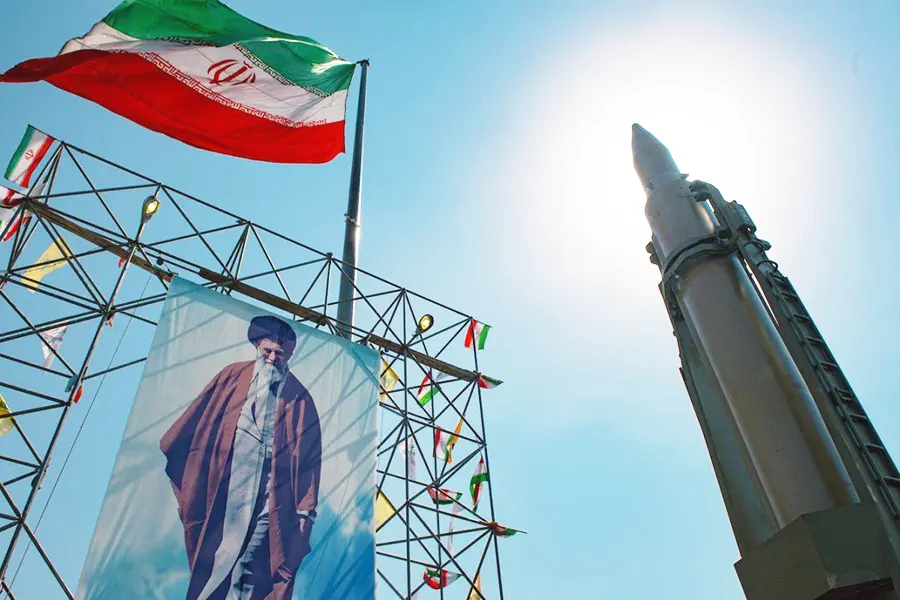
3 out of 4 Iranians believe their country should have nuclear weapons
Since the US withdrew in 2015 from the nuclear deal under the Trump administration, and with increased economic sanctions against Iran over its uranium enrichment programme, the political and social taboo around nuclear weapons has been dissipating in recent years: a trend that has become particularly pronounced in the last year in the face of the Netanyahu government’s warmongering rhetoric, leading many Iranians to firmly believe that the next Israeli target will be Iran itself, and to question whether their country has sufficient deterrence capacity to prevent an Israeli offensive like the one in Gaza or Lebanon.
A recent poll conducted in Iran between February and May this year revealed that some 70% of Iranians now favour their country’s development of atomic weapons, and experts believe that this support has been growing steadily in recent months. This is support for a more forceful deterrence policy is also advocated by influential regime figures such as Hassan Khomeini, grandson of the founder of the Islamic Republic.
Frustration and uncertainty with Israel in the US
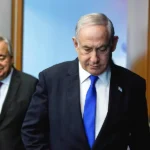
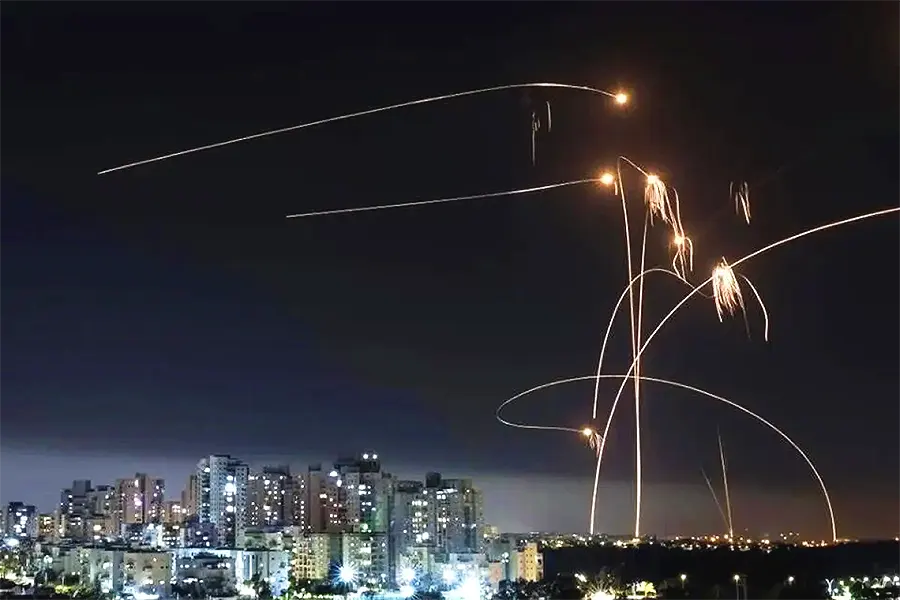
If there is one thing Iran expects in the coming days or weeks, it is Israel’s response to the ballistic missile attack launched by Iran a week ago. And it is a fact that in Washington there is a significant degree of frustration with the attitude of Israeli Prime Minister Benjamin Netanyahu, who seems rather unwilling to share details on how, when and where he will carry out such a retaliatory strike against Iran.
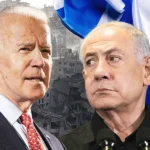
Despite Biden‘s own personal efforts to call for restraint and moderation in the Israeli response – including a request not to attack oil or nuclear facilities – the fact is that Tel Aviv has decided not to share any details of the operation, not even with its eternal ally, as reported by the Wall Street Journal. This lack of transparency is causing a mixture of growing frustration and concern in the White House, which fears being caught by surprise as it happened with Israel’s recent decision to eliminate Hezbollah leader Hassan Nasrallah.
A visit to Washington yesterday by Israeli Defence Minister Yoav Gallant to meet US Defence Secretary Lloyd Austin was cancelled at the last minute after Netanyahu insisted earlier on finalising plans to respond to Iran. Gallant himself reportedly stated in this regard: ‘Iran’s attack was deadly, but it failed. Our attack will be deadly, accurate and surprising. They will not be able to understand what happened and how it happened’. And it is an open secret throughout the Middle East – and also in Iran – that Israel is, de facto, the only country in the region with nuclear weapons.
VOTE

EDITORIAL TEAM
🧿 About us
.
Edited and reviewed by:

Pablo Gómez is a specialist in Turkey and has been editor-in-chief of Hispanatolia since 2011. He has been analysing current affairs and geopolitics in Turkey and the surrounding region since 2006.
…
📣 Your ADVERTISING on Hispanatolia
.
🤗 HELP US WITH A DONATION:
💗 Paypal