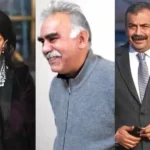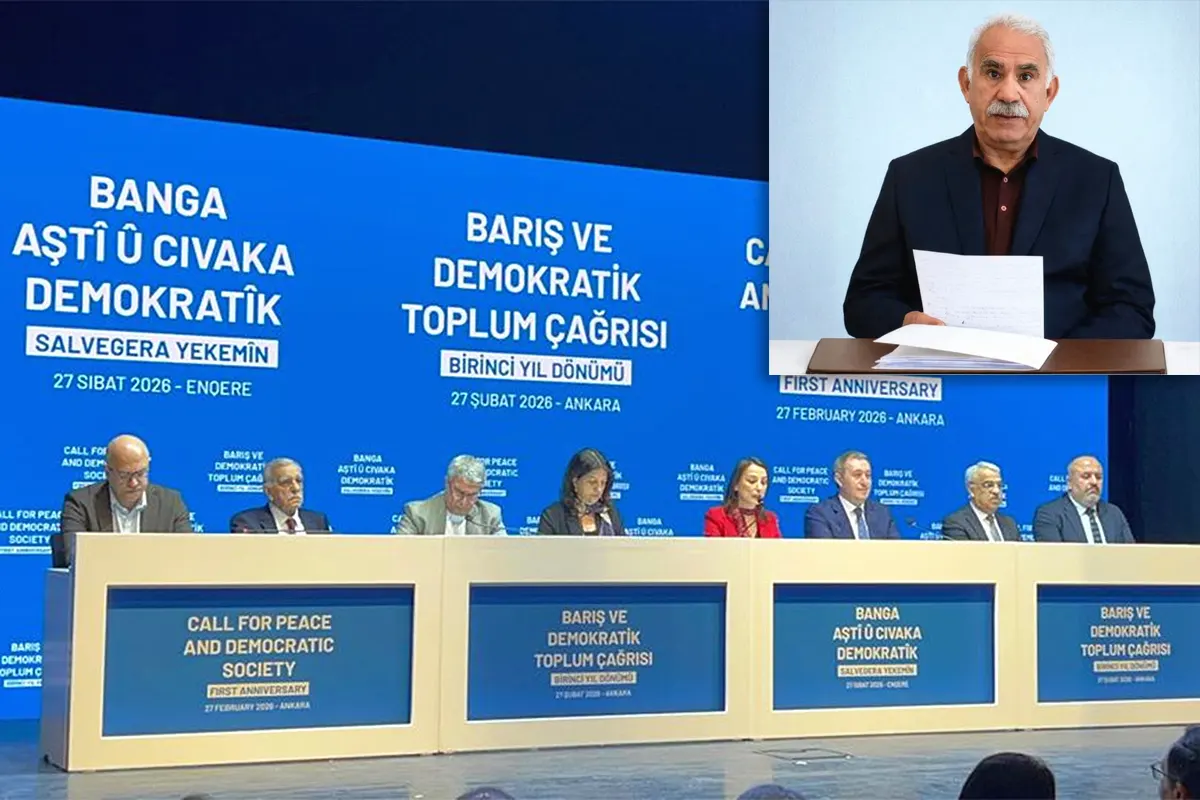
Jailed PKK leader Abdullah Öcalan released a new message on 27 February to mark the first anniversary of his historic call for the disbandment of the terrorist group and the end of the armed struggle in Turkey, proclaiming the end of what he called the “violence-based politics” stage.
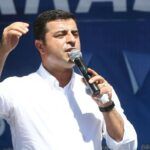
The text of the message was read out by pro-Kurdish DEM party deputy Pervin Buldan during a press conference organised in Ankara that coincided with the anniversary of the appeal made a year ago from İmralı prison to “lay down arms”. In his new appeal, Öcalan claims that the February 2025 announcement was “a declaration of peace with the Republic (of Türkiye)” and a confirmation that “weapons would become meaningless with the implementation of a democratic policy”.
Before the reading, DEM party co-chairs Tülay Hatimoğulları and Tuncer Bakırhan delivered opening speeches, with Hatimoğulları calling the statement made a year ago by the PKK leader “a critical step in political history“. “The appeal was a powerful statement of political will and a historic manifesto. It was an offer of an equal and democratic life for all in this country, which has been burdened with suffering for half a century. The organisation decided to disband and fulfilled the requirements of this appeal by burning weapons and other practices,” he said in a statement quoted by Turkish media.
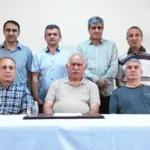
The Turkish version of Öcalan’s message was read out by DEM deputy Pervin Buldan, who was also a member of the delegation that visited the PKK leader in İmralı prison along with the late Sırrı Süreyya Önder, while the Kurdish version of the manifesto was read out by Veysi Aktaş, Öcalan’s former prison companion. The message was also distributed in English and Arabic for the media.
Öcalan: “There can be no Turks without Kurds, no Kurds without Turks“
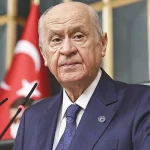
In the text, Öcalan argues that “the process we have left behind has demonstrated our ability to move from a period of violence and division to democratic politics“, adding that the decision to dissolve the organisation evidenced, both practically and mentally, a rejection of violence and a preference for politics. “I appreciate the efforts and will of Mr. Erdoğan, the appeal of Mr. Bahçeli (leader of the Turkish nationalist party MHP), the contribution of Mr. Özel (leader of the opposition) and all the political, social and civil individuals and institutions that have contributed positively to the process over the last year. And I especially remember our friend Sırrı Süreyya, once again, with great respect and longing,” he said.
In his message, Öcalan defended the idea of a Democratic Republic and stressed: “There can be no Turks without Kurds, and no Kurds without Turks. This dialectical relationship has a unique historical character. The fundamental texts of the founding process of the Republic expressed Turkish-Kurdish unity. Our call on 27 February is an attempt to revive this spirit of unity and a demand for a democratic republic. We seek to break the mechanism that feeds on blood and conflict, to act according to narrow and short-term political interests , instead of seeing the historicity, seriousness and possible risks of the problem that weakens us all. We are removing the obstacles to brotherhood that have been attempted to be reversed over the last two centuries. We want to discuss how to unite, and how to live together”.
“Now”, he said, “we must move from the negative phase to the positive phase of construction”, announcing “a new era and political strategy” with the aim of closing the era of violence and “opening a process based on a democratic society and the rule of law“, he added, inviting all sectors of society to assume their responsibilities in this regard.
“Just as religion and language cannot be imposed, neither can nationality“
“Many of the problems and crises we face today have their origin in the absence of the democratic rule of law. We give priority to a legal solution within the framework of a democratic policy. We need an approach that creates space for a democratic society, for democracy itself, and establishes solid legal guarantees for it,” he said.
Speaking on citizenship, Öcalan argued that it should be based on the link to the state and not on belonging to a nation or people: “We stand for a free citizenship that prioritises freedom of religion, nationality and thought. Just as religion and language cannot be imposed, nationality should not be imposed either. A constitutional citizenship relationship, within democratic limits and based on the integrity of the state, encompasses the right to freely express and organise religious, ideological, identity and national identity”.
Finally, the imprisoned PKK leader put the spotlight on women: “Women are among the main social forces without which no society and no state can sustain itself. Today, domestic violence, feminicides and patriarchal oppression are contemporary manifestations of the historical aggression that began with the enslavement of women. That is why women are the most libertarian component and the driving force of democratic integration,” he concluded in his message.
A “historic” peace process for Turkey launched a year ago
On a historic day for Turkey, on 12 May 2025, the PKK announced the end of its armed struggle and the dissolution of its organisational structure. Two months later it began its surrender of weapons with a symbolic weapons-burning ceremony in northern Iraq. Subsequently, the Turkish parliament established the so-called National Solidarity, Brotherhood and Democracy Commission to oversee the peace initiative, with the participation of members of all parties represented in the parliament (except the İYİ Parti). On 24 November 2025, several members of the commission visited Öcalan on the prison island of İmralı, although the main opposition CHP party refused to participate.
After nearly six months of work, the commission adopted its final report by a majority vote on 18 February, after which Turkish President Recep Tayyip Erdoğan assured that the initiative to end more than four decades of violence by the PKK in Turkey has entered a new phase: “This report, drafted with full democratic maturity, broad consultations and a political consensus rare in our history, is not only a recommendation, but also a historic document,” said Erdoğan, who pledged that the country now has a historic opportunity to become a regional and global power free from terrorism.
VOTE

EDITORIAL TEAM
🧿 About us
.
Edited and reviewed by:

Pablo Gómez is a specialist in Turkey and has been editor-in-chief of Hispanatolia since 2011. He has been analysing current affairs and geopolitics in Turkey and the surrounding region since 2006.
…
📣 Your ADVERTISING on Hispanatolia
.
🤗 HELP US WITH A DONATION:
💗 Paypal