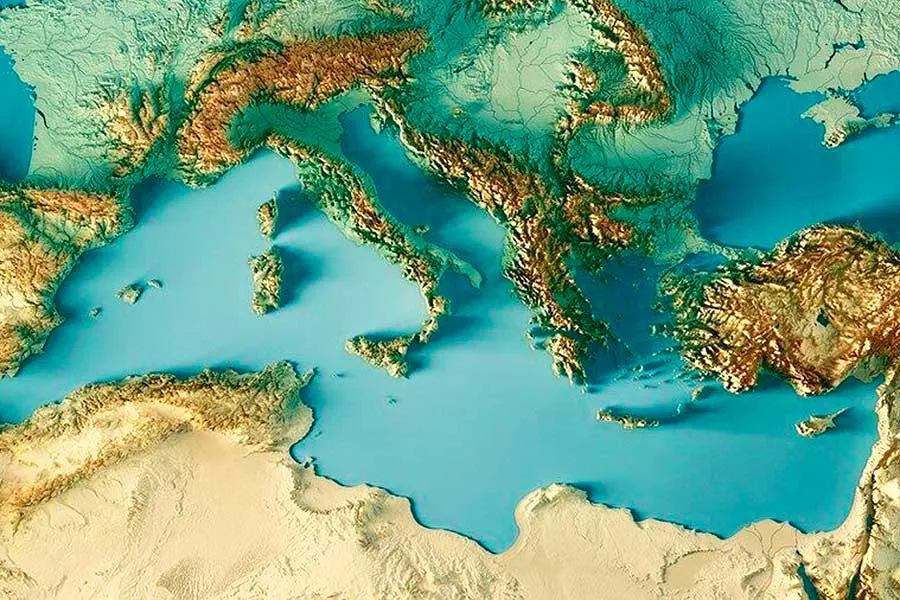
A recent scientific study paints a bleak picture of the effects of climate change on Turkey and the entire Mediterranean, claiming that the Mediterranean basin will experience greater warming than the rest of the planet due to its geoclimatic particularities, which in climatic terms will translate into extreme heat in regions of eastern and southeastern Anatolia by the end of this century.
The study, conducted by Nazan An and Tufan Turp, two experts from the Centre for Climate Change and Policy Studies at Istanbul’s Bosphorus University, analyses changes in temperature and precipitation based on climate models, and concludes that by the end of the century there will be a decrease in rainfall across the Mediterranean basin, with a drastic increase in droughts, which will reduce water availability, triggering social tensions, conflicts and migrations.
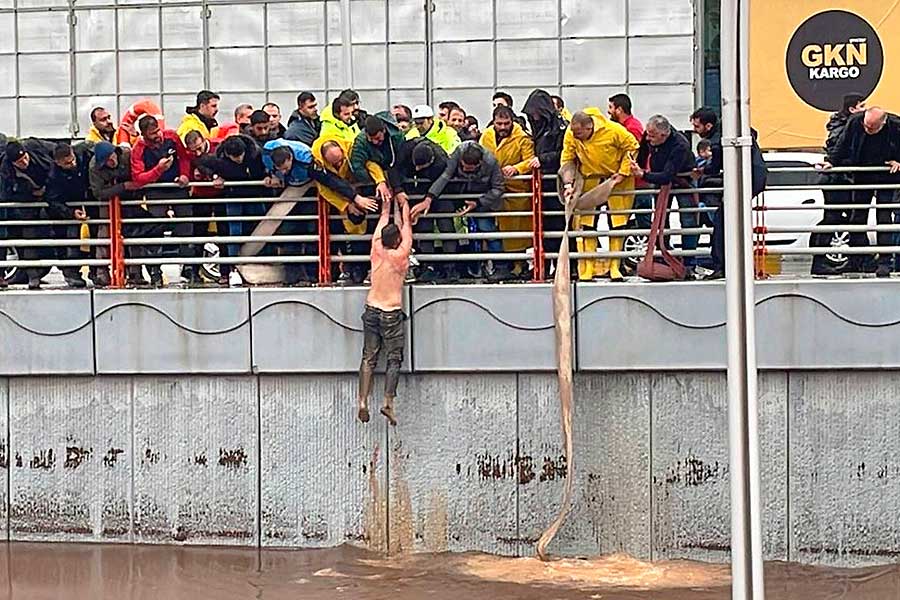
The Marmara region, including Istanbul, will also be severely affected due to its high population density. It is in the final quarter of the century, between 2074 and 2099, that reduced rainfall and a marked increase in temperatures are expected to become more evident; the study also predicts that climate change will bring an increase in the intensity, frequency and geographic range of extreme events such as heavy rainfall and floods, particularly in the Black Sea region and southwest Marmara, with epidemics also increasing. The most adverse changes will occur in the Mediterranean basin of Turkey, and in eastern and southeastern Anatolia.
VOTE

EDITORIAL TEAM
🧿 About us
.
Edited and reviewed by:

Pablo Gómez is a specialist in Turkey and has been editor-in-chief of Hispanatolia since 2011. He has been analysing current affairs and geopolitics in Turkey and the surrounding region since 2006.
…
📣 Your ADVERTISING on Hispanatolia
.
🤗 HELP US WITH A DONATION:
💗 Paypal