Turkey commemorated the third anniversary of the 6 February 2023 earthquakes – which caused more than 53,000 deaths and massive devastation in eleven provinces in the southeast of the country – in grief and tears early this morning, with ceremonies across the country, silent marches and prayers in memory of the victims.
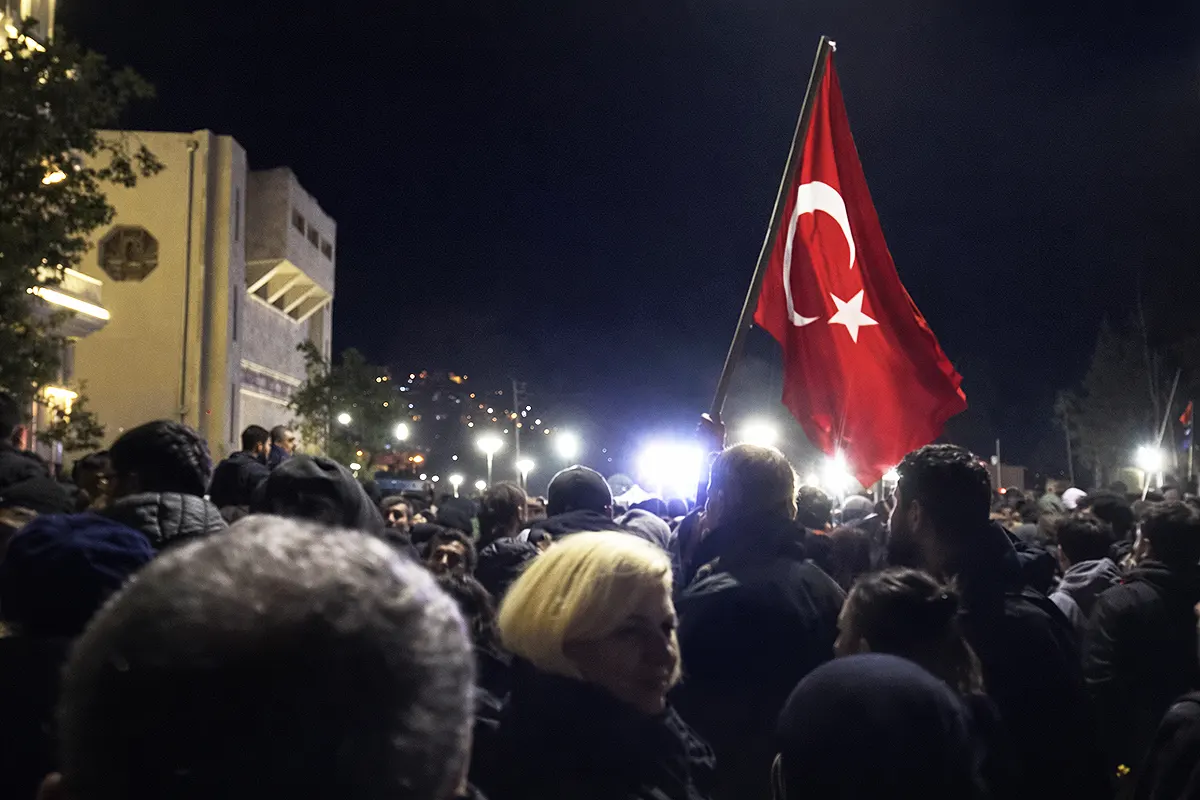
Exactly three years after the first earthquake, which struck at exactly 4:17 a.m. on 6 February 2023, silence was imposed simultaneously in the eleven devastated provinces, and thousands of people gathered in the darkness to participate in vigils and pay tribute to those who lost their lives in the earthquakes.
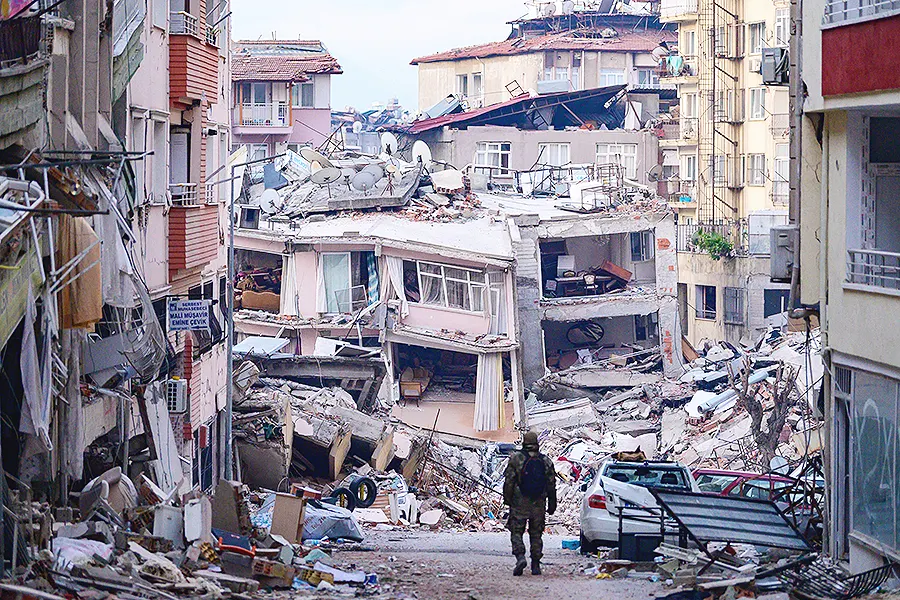
On that day, southeastern Anatolia was hit by two devastating earthquakes in the space of just nine hours; the first, with a magnitude of 7.7, lasted 65 seconds and struck in the early hours of the morning, while millions of people slept; the second struck at 13:24 hours, reaching a magnitude of 7.6 and compounding the catastrophe, as many rescue teams were already working in the rubble at that time. According to official figures, the disaster caused at least 53,537 deaths and 107,213 injuries, with 13 million people affected in total.
As the anniversary date approached, the weight of these figures translated into an atmosphere of remembrance in the early hours of the morning. A minute’s silence was observed in the eleven cities affected, which began at exactly 4.17 a.m. and actually lasted 65 seconds, in reference to the duration of the first earthquake. Main streets and central squares hosted silent marches, which ended with the playing of the national anthem and prayers for the victims.
Thousands march in silence in Antioch
In Hatay province, one of the worst hit by the earthquakes, some 25,000 people died and thousands of buildings were damaged. In the early hours of the morning, thousands of citizens gathered in the centre of the city of Antakya (Antioch) for an emotional silent march. After the march, a moment of silence was observed and prayers were said in the Köprübaşı area, ending the event by throwing carnations into the Asi River, as the İHA news agency reported.
“We came here to relive this moment with our children. We are sad… The city has been rebuilt, but it is not the city we remember. Still, Antakya is rising, and we will rise too,” said Selahattin Kocaman, one of the participants in the event. Eyşan Kocaman, a young woman who came to remember her departed loved ones, confessed that she lost her friends and teachers during the earthquakes: “There were many people; some were crying and some were praying. Everyone was sad and shared the same feelings. It was good that people came together because they understood each other”.
Many in Turkey in fact could not hold back their tears last night. This is the case of a man from the İslahiye district of Gaziantep, who lost his entire family in the 6 February earthquakes and broke down as he visited their graves in a cemetery in the neighbouring province of Adana – where they were buried – at the fateful hour of 4:17. The bereaved father, who survived because he was at work at the time of the quake, is still searching without giving up hope for his 13-year-old daughter, whose body has not been found in the rubble after three years.
More than 53,000 dead, 1.5 million homeless
Across Türkiye, schools and high schools marked the tragic date with tributes and classes focusing on earthquake awareness and disaster preparedness. Since that fateful day three years ago, major reconstruction projects have been launched and tens of thousands of homes have been delivered, but the work continues and much remains to be done, especially in terms of prevention.
Beyond the enormous loss of life, and the stories of survival and miraculous rescues in the ruins, the 2023 earthquakes reduced hundreds of thousands of homes to rubble, leaving 1.5 million people homeless, and also destroyed dozens of hospitals and priceless historical heritage. With an economic cost of more than $100 billion – equivalent to 10% of Turkey’s GDP – it was described as the largest seismic disaster in a century.
VOTE

EDITORIAL TEAM
🧿 About us
.
Edited and reviewed by:

Pablo Gómez is a specialist in Turkey and has been editor-in-chief of Hispanatolia since 2011. He has been analysing current affairs and geopolitics in Turkey and the surrounding region since 2006.
…
📣 Your ADVERTISING on Hispanatolia
.
🤗 HELP US WITH A DONATION:
💗 Paypal