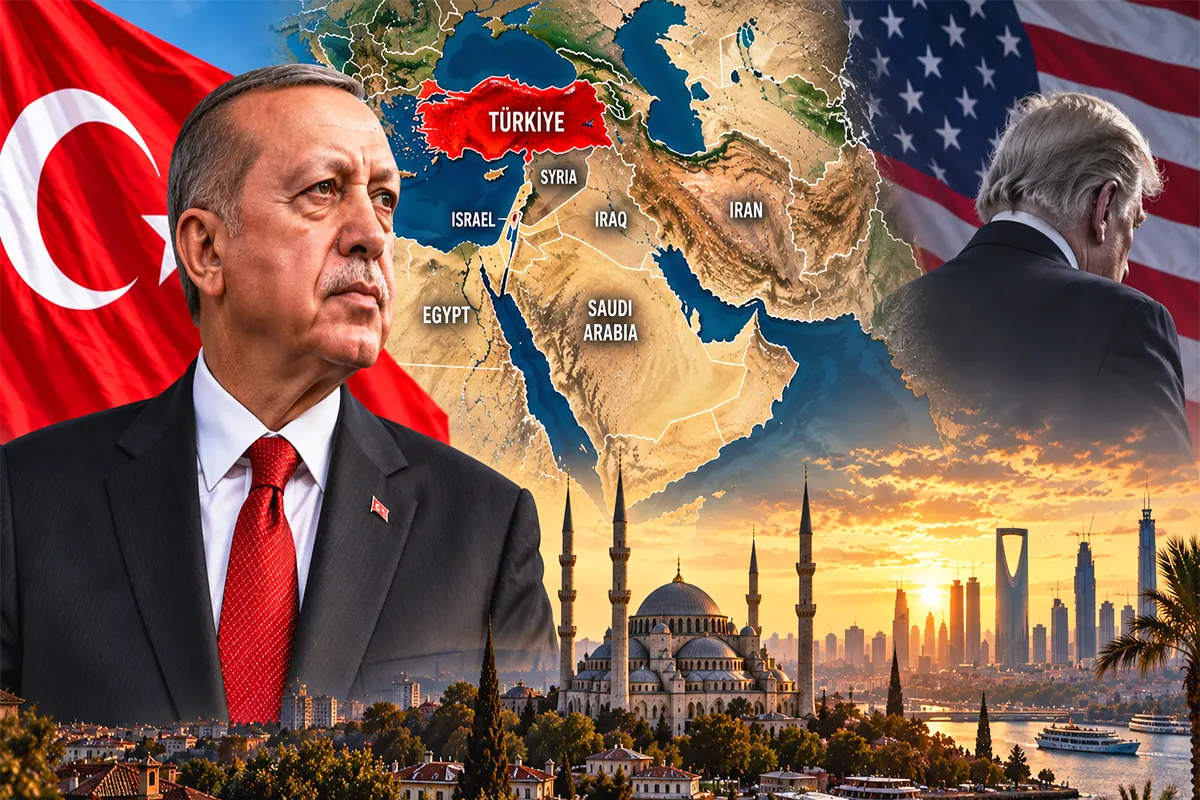
The British magazine The Economist has published an in-depth analysis this week on the waning of US influence in the Middle East, examining the shifting balance of power in the region and the growing influence of regional players in the face of a reduced US presence. The analysis focuses on the future role of Turkey and how the country could become the next major power in the region once the USA withdraws.
In its article, entitled “When America walks away”, The Economist points out that the US will not easily extricate itself from a war with Iran and states that it has become clear that Washington’s attempts to impose its own plans on the Middle East have come to an end.
“America seems to be stuck in the Middle East. It has no easy way out of its war with Iran,” the article begins, noting that, whatever the outcome, the conflict appears to be marking the end of US hegemony in the region and heralding a future withdrawal of its military presence – or at least a significant reduction in it. “For the first time since the great powers dismembered the Ottoman empire a century ago, the Middle East’s overarching order will no longer be imposed from afar,” adds the publication.
Turkey will fill the power vacuum left by the US
The British publication’s analysis suggests that the United States, like the United Kingdom, France and Russia, has and will continue to have its own plans and initiatives in the Middle East; but it points out that Turkey is the leading candidate to fill the power vacuum that will arise once US influence in the region comes to an end – something that was already evident in recent years and which the conflict with Iran has brought into sharp relief.
“Turkey is the strongest candidate to fill the huge power vacuum that will emerge when US influence in the region comes to an end,” reports The Economist, which adds a lead under the main headline on its front page that makes a bold statement: “For decades America has enjoyed hegemony over the Middle East. That is about to end”.
Turkey’s growing role in the region
The publication highlights Ankara’s growing diplomatic, political and economic ties with Arab and Gulf countries and Turkey’s increasingly independent foreign policy, which has moved away from the “follow-the-leader” approach it adopted with regard to US interests in the past and now focuses on prioritising its own national interests.
This has recently been interpreted in many political and media circles in Europe and the United States as if Türkiye was turning its back on the West, although, in reality, this debate about Turkey is not new and Ankara has always insisted that its policy seeks to forge ties and build bridges between both worlds, without distancing itself from either.
As The Economist highlights, Ankara has skilfully responded to events in the region with pragmatic measures, creating new opportunities for its powerful diplomacy; furthermore, the growing capabilities demonstrated by the Turkish defence industry have particularly strengthened Turkey’s position at the negotiating table and maximised its regional deterrent capability.
The keys to Turkey’s influence
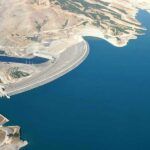
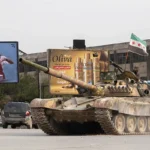
The Economist also mentions the close relations that Türkiye has managed to develop in recent years with its neighbours, most notably with Syria and Iraq. Ankara maintains strong ties with the new Syria following the end of the Assad dictatorship, whilst at the same time collaborating with Baghdad on issues such as trade routes, the management of water resources in the region and the fight against terrorism. All these factors reinforce Turkey’s leadership in the Middle East.
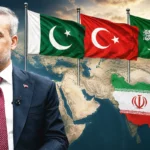
However, The Economist emphasises that Turkey’s relations in the region are not limited to Syria and Iraq, and highlights as an example the recent Mecca Joint Defence Alliance agreement, signed by Turkey, Pakistan and Saudi Arabia, which not only acts as a counterweight to external influence – specifically that of the United States – in the Middle East but also, de facto, appears to be a direct response to Washington’s diminished influence in the region, which has been laid bare by its inability to inflict a complete military defeat on Iran and to fully unblock the vital Strait of Hormuz.
All these factors suggest, as The Economist’s analysis concludes, that the relationships Turkey is developing with various regional actors could expand its influence in the Middle East and turn it into the emerging power in the region, filling the power vacuum as US influence in the region wanes.
VOTE

EDITORIAL TEAM
🧿 About us
.
Edited and reviewed by:

Pablo Gómez is a specialist in Turkey and has been editor-in-chief of Hispanatolia since 2011. He has been analysing current affairs and geopolitics in Turkey and the surrounding region since 2006.
…
📣 Your ADVERTISING on Hispanatolia
.
🤗 HELP US WITH A DONATION:
💗 Paypal