Turkey is preparing for Islam’s holiest month, Ramadan: a holy period of fasting, prayer and reflection that this year begins in mid-February and runs through March. In Ramadan 2026, most scholars note that the first day of fasting will be 19 February, following dinner and prayer the night before, and that the fast will continue until around 18 or 19 March, with the subsequent celebration of Eid al-Fitr or Ramazan Bayramı – the feast of the end of Ramadan – at the conclusion of the fasting period.
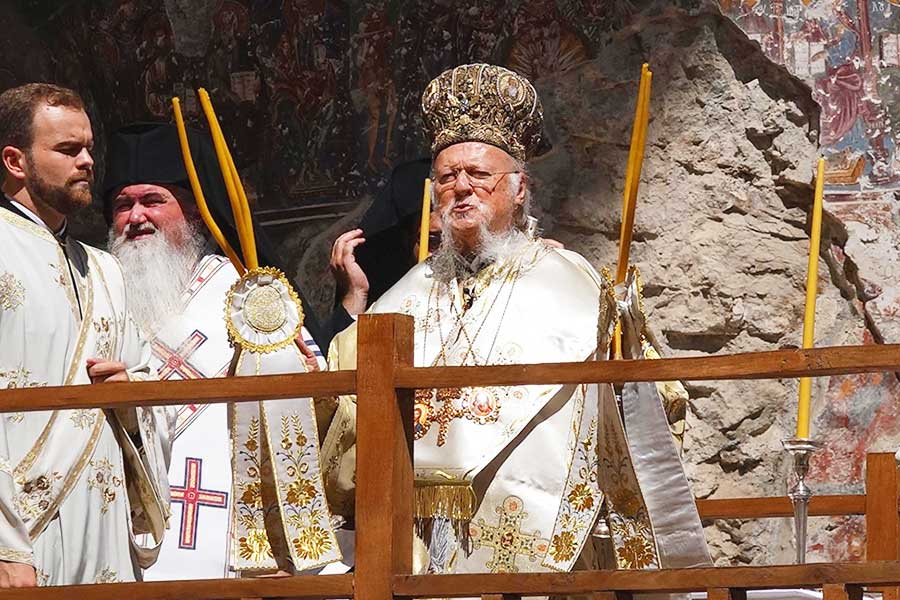
Ramadan is the ninth month of the Islamic lunar calendar and marks the commemoration of the first revelation of the Qur’an to the Prophet Muhammad. During Ramadan, Muslims abstain from eating and drinking – as well as from sex, smoking, evil thoughts, blasphemy and wrongdoing – from dawn to dusk, and perform traditional Ramadan prayers such as tarawih every night, as well as devoting more time to charity and community.
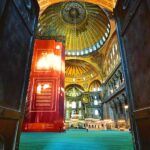
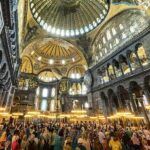
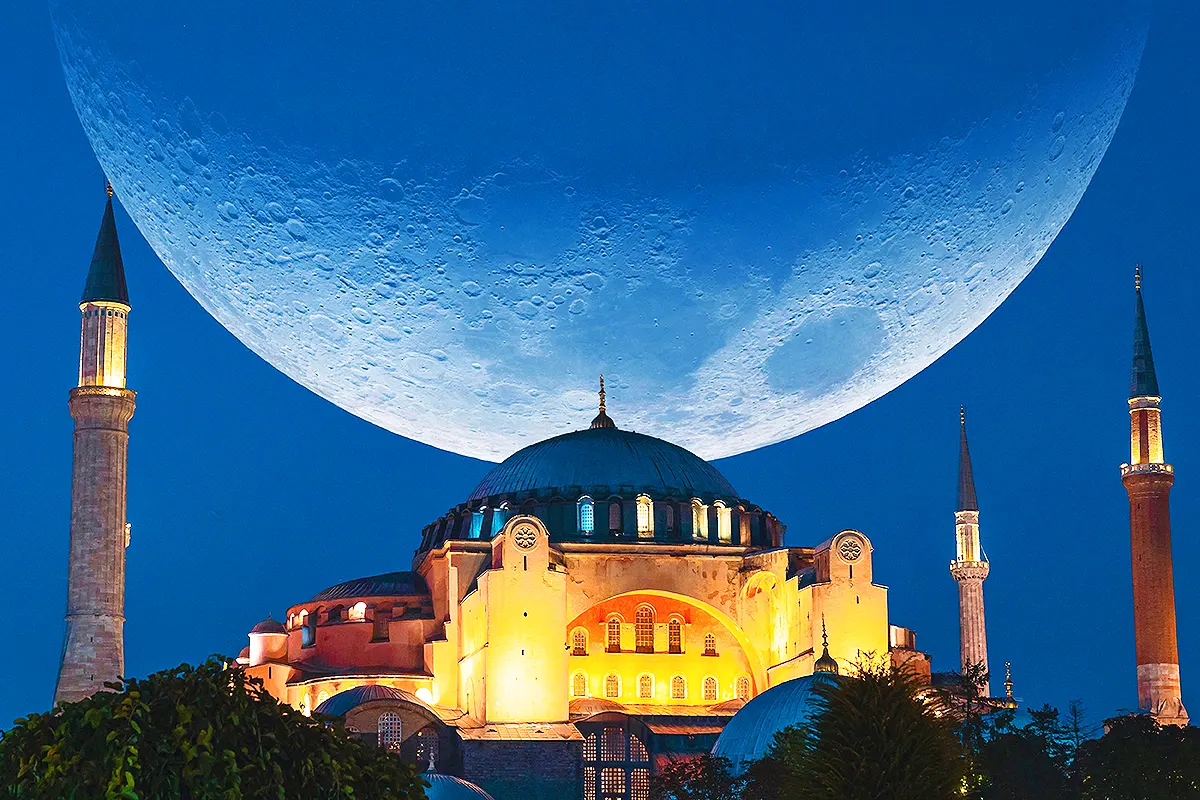
In major Turkish cities, daily life changes subtly. For example, Istanbul’s most iconic mosques – such as Ayasofya (Hagia Sophia), Süleymaniye (Suleymaniye) or Eyüp Sultan – are dressed with traditional lights known as mahya, which hang between their minarets and convey messages of welcome and unity, continuing a practice that dates back centuries. As evening falls, families and neighbours gather to break the fast around the iftar meal, where in addition to dates and water, there is no shortage of typical products such as the special bread called ramazan pidesi or sweets such as güllaç.
For Turks, the daily routine is also adjusted: traffic tends to intensify before iftar as everyone returns home or goes to restaurants, which offer special menus; and evening prayers gather the faithful in mosques late into the night. Many mosques offer special prayer and Qur’an reading programmes at this time, and some even have exhibitions of holy relics for the most devout or interested visitors.
Travelling to Turkey during Ramadan
From a foreign tourist’s perspective, travelling to Turkey during Ramadan offers a perfect balance between tradition and normal life. Unlike other countries where eating or drinking in public during Ramadan may be more restricted or frowned upon, in large Turkish cities such as Istanbul, Izmir and Ankara, restaurants and cafes tend to stay open all day, although in some neighbourhoods and small towns and villages, many restaurants close during the day due to lack of customers.
In any case, it is quite normal in Türkiye to see some Turkish customers eating in restaurants during Ramadan – even though most people are fasting – so we should not feel any fear or embarrassment about going to a restaurant: our only “worry” as tourists will be that many will simply not be open until the evening.
Among the practical tips for those planning to travel to Turkey at this time, it is important to bear in mind that not only restaurants and cafes, but also many other businesses and venues are closed during the day, so you should take this into account when planning your daily schedule.
Also avoid travelling close to dusk, because at that time there is a lot of traffic congestion as people flock to their homes to eat; and if you are planning to dine in a restaurant, book a table well in advance so as not to run out, as at this time of year they fill up with customers, especially if the place serves good food.
A perfect time to enjoy Turkish hospitality
If your visit to Turkey coincides with this time of year, don’t miss the opportunity to enjoy the festive and fraternal atmosphere that takes place every day after sunset, with the arrival of iftar: in streets, neighbourhoods and large squares, collective break-the-fast dinners are organised for all the locals – whatever their religion – and where any stranger is welcome.
In places like Istanbul’s iconic Sultanahmet Square, tens of thousands of people can gather, and the food served is free. As night falls, many shops and restaurants that had been closed during the day reopen, and night markets, parties and even concerts are organised… The cities, dormant during the day, awaken to life and bustle at night, and many Turks gather in squares and parks.
Beyond the spirituality and religious tradition of Islam, living the holy month of Ramadan in Turkey is therefore a golden opportunity to live an authentic and unique experience of how Turkish society lives these dates in which every day is like Christmas Eve; and of course, it is an opportunity like few others to enjoy… the famous Turkish hospitality!!
VOTE

EDITORIAL TEAM
🧿 About us
.
Edited and reviewed by:

Pablo Gómez is a specialist in Turkey and has been editor-in-chief of Hispanatolia since 2011. He has been analysing current affairs and geopolitics in Turkey and the surrounding region since 2006.
…
📣 Your ADVERTISING on Hispanatolia
.
🤗 HELP US WITH A DONATION:
💗 Paypal