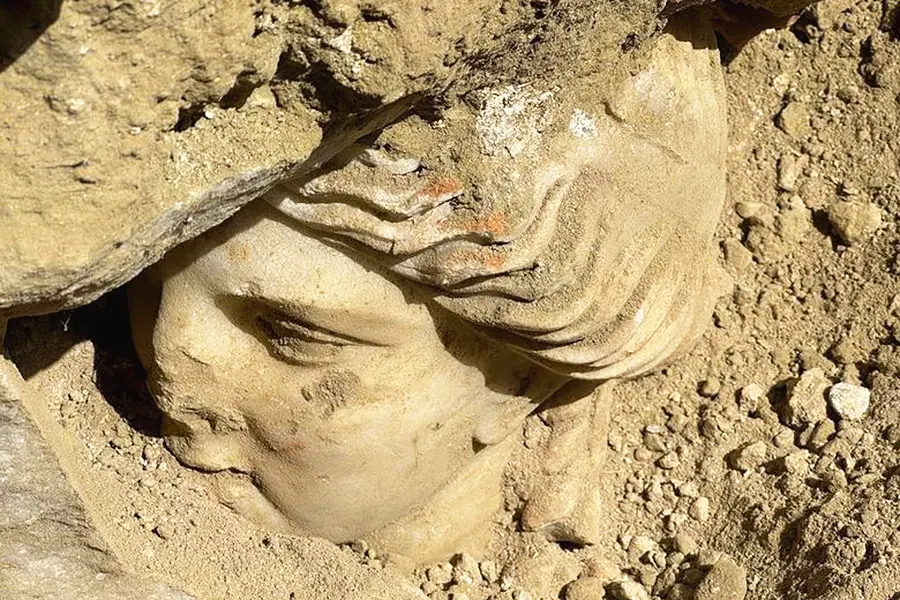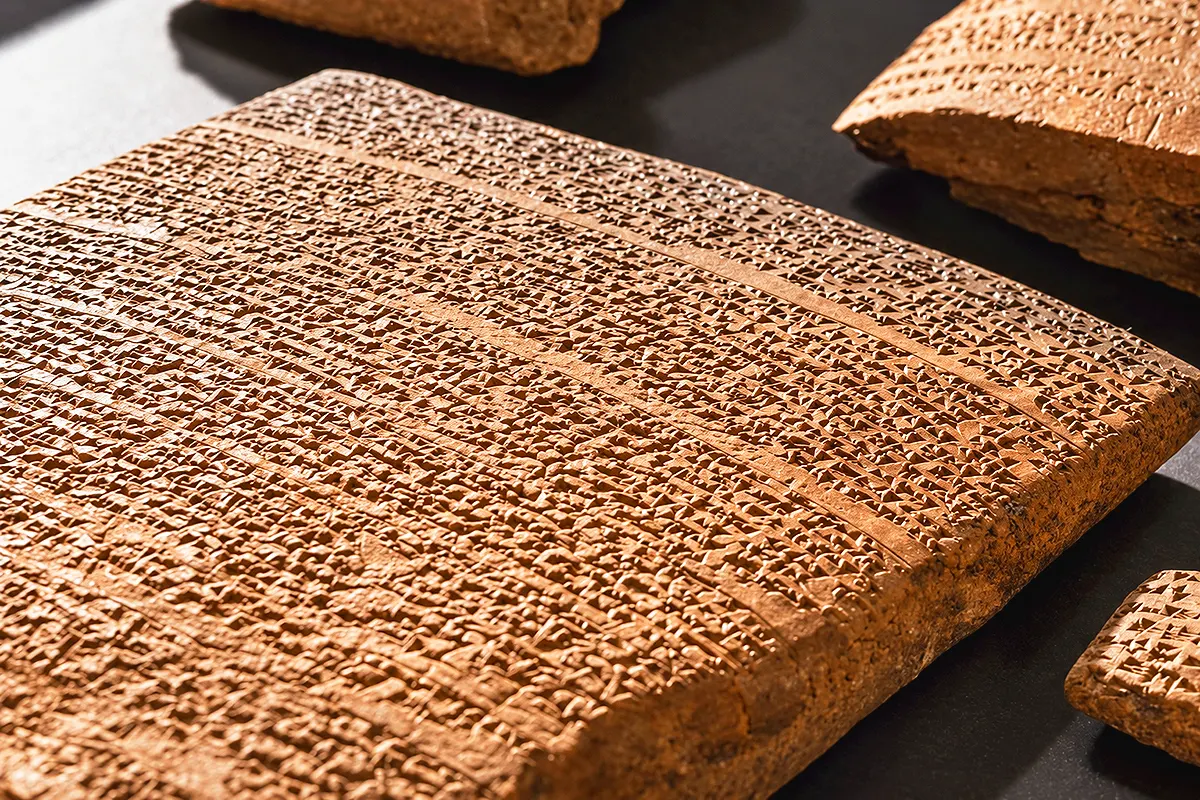
The archaeological excavations at Kayalıpınar, in the Turkish province of Sivas, have unearthed no fewer than 131 cuneiform tablets and fragments dating from the reign of the Hittite king Tudhaliya II, which document various historical events and aspects of daily life in this ancient civilisation, including wars and epidemics. Turkey’s Minister of Culture and Tourism, Mehmet Nuri Ersoy, who recently announced the discovery, stated that it constitutes the most comprehensive Hittite archive uncovered in the 21st century and provides previously unknown information on the Hittites’ state administration and military activity, as it was some 3,400 years ago.
The discovery was made in the district of Yıldızeli, at a settlement identified as Šamuḫa in ancient Assyrian and Hittite sources. According to the Turkish news website Habertürk, this discovery has provided new and highly significant data for our understanding of Hittite history.
Turkey’s Minister of Culture and Tourism, Mehmet Nuri Ersoy, announced on social media the discovery of the documents during the 2026 archaeological campaign: “At Kayalıpınar, Sivas, we have made a very important discovery that allows us to delve deeper into the Hittites’ state archives. During the 2026 excavations at ancient Šamuḫa, we have unearthed 131 cuneiform tablets and fragments dating from the reign of the Hittite king Tudhaliya II. If we include the remains found during the previous campaign, the total number (of tablets) rises to 184. Thus, the Kayalıpınar royal archive has gone down in history as the most comprehensive Hittite archive discovered in the 21st century,” he stated.
An epidemic that affected children and babies in the Bronze Age
“These documents, written in Hittite and Hurrian, provide us with direct information about state administration, military events, the system of beliefs and the life of the royal family some 3,400 years ago. The tablets reveal evidence of a fever epidemic that spread from one city to another and particularly affected children and babies. They also document the state of health of a sick infant princess, her subsequent death and the funeral ritual held in her honour,” explained the minister.
According to Ersoy, a letter sent to the king by a diviner states that the girl fell ill in the city of Ziulila, the location of which has not yet been identified by archaeologists. The archive also contains texts on prophecy, divination, correspondence, rituals and prayers. Among the most notable documents are those describing a feverish illness that spread amongst various Hittite cities and affected children.
The texts directly reflect the concern that the epidemic caused within the royal family. The tablets indicate that the health of the young princes and princesses, as well as that of the children of high-ranking Hittite officials, was subject to constant monitoring through divinatory practices.
Hittite generals warned of the risk of the army’s destruction
The tablets from the royal archive also provide insight into the military threats facing the Hittite state. A letter sent by several generals stationed in western Anatolia to the king, who was in Šamuḫa, warned that Hittite territories were surrounded by enemies.
The military commanders requested the dispatch of soldiers, horses and war chariots to confront the enemy forces. In the letter, they warned that the situation could worsen and that the Hittite army would ultimately be destroyed if they did not receive the requested reinforcements. The generals also informed the monarch that they would not accept responsibility for the consequences if the necessary military support was not sent.
The tablets reveal the divination practices of the Hittites
The discovered archive also provides previously unknown information on the beliefs and divination practices of this ancient civilisation. One of the tablets records the observations of diviners who interpreted the flight of birds in various regions outside Šamuḫa. The document is structured similarly to a diary and details the cities where the diviners stayed, the routes they followed and the birds they observed.
The cuneiform texts also reveal new details about the methods used to evaluate and interpret these observations as part of Hittite divination practices. “This exceptional archive opens up new avenues of research across numerous fields, from Hittite history and its religious practices to the evolution of its language and writing culture,” Ersoy concluded.
The Hittite archive at Kayalıpınar comprises 184 tablets
Archaeologists believe that the 53 cuneiform tablets and fragments discovered in the same area of Kayalıpınar in 2025 also form part of this newly discovered royal archive. Therefore, together with this year’s 131 new finds, the collection now totals 184 tablets.
Excavations at the Kayalıpınar archaeological site, in central Turkey, began in 2021. According to the archaeologists, the royal archive of clay tablets bearing cuneiform script discovered at Kayalıpınar is the most complete collection of documents from the ancient Hittite Empire found this century.
📚 If you want to learn more about the history of Turkey, we recommend:
🧿 Discover here more recommended products about Turkey
As an Amazon Associate, we earn from qualifying purchases. This comes at no extra cost to you and helps support this website.
VOTE

EDITORIAL TEAM
🧿 About us
.
Edited and reviewed by:

Pablo Gómez is a specialist in Turkey and has been editor-in-chief of Hispanatolia since 2011. He has been analysing current affairs and geopolitics in Turkey and the surrounding region since 2006.
…
📣 Your ADVERTISING on Hispanatolia
.
🤗 HELP US WITH A DONATION:
💗 Paypal