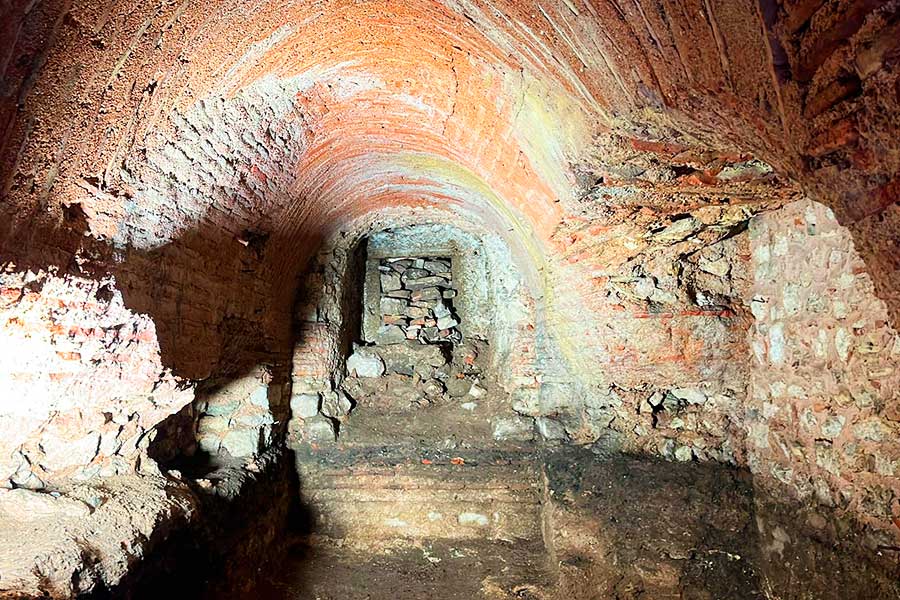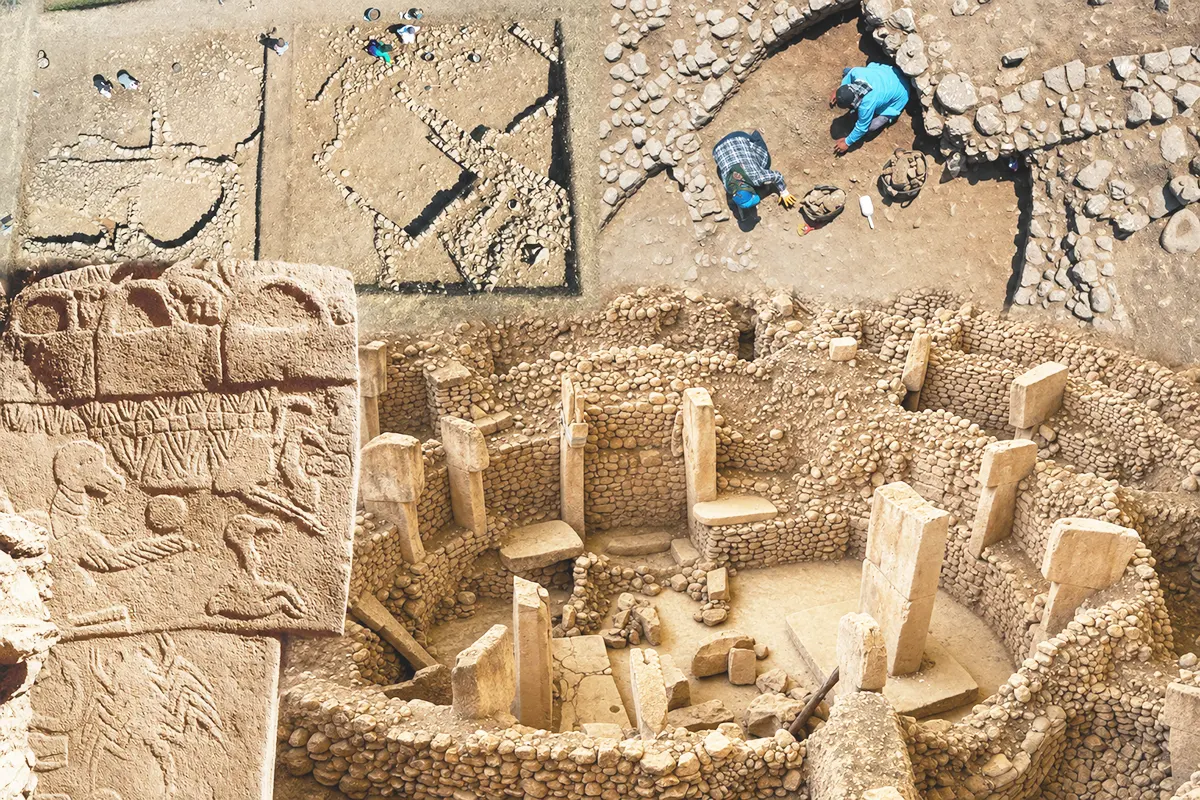
The archaeologists carrying out excavations in a new area of Göbekli Tepe – a site designated a World Heritage Site by UNESCO and regarded as the world’s first sanctuary – have uncovered rectangular structures dating from the settlement’s second phase of occupation which, according to initial evidence, may have been residential buildings, thus revealing that Göbeklitepe was much more than just a place of worship.
In comments reported by Turkish media, the director of the excavations at Göbeklitepe, Professor Necmi Karul, explained that, in addition to the work carried out in the main area of the site, this season has seen the start of excavations in a new area situated to the north of the main platform. The olive trees that previously stood in this new area – which covers approximately 1,500 square metres – were moved to another location so that work could begin.
“We started at one end of the Neolithic site. We worked our way northwards and, just below the surface, we uncovered rectangular structures dating from the second phase of Göbeklitepe. Their location, just below the surface, allowed us to quickly access new evidence that provided information on the layout and distribution of the settlement. In fact, we reached the foundations of some structures very quickly. This is because the area is prone to erosion; the upper levels of the walls (of the structures found) had been eroded long ago,” said Karul.
“Another piece of good news is that we have confirmed that the olive trees have not caused any significant damage here (with their roots). Our plan this year is to raise the ground level across the entire area (…) and uncover the structural remains located just below the surface,” he added.
The newly discovered structures may have been used for residential purposes
Karul explained that similar rectangular structures had previously been found in the area known as GT1, the main excavation sector of the archaeological site which is now visited by tourists. “We are talking about similar structures. However, from what we have seen so far, we can say that this tradition of obelisks (at Göbeklitepe) has diminished, that they contain fewer obelisks and that, when we look at the internal layout of the spaces, they may have been used more for residential purposes,” stated the specialist in archaeology.
The archaeologist noted, however, that the mere identification of the walls of these new rectangular structures does not in itself allow us to determine the function of the buildings: “Above all, the soil samples we are collecting from inside these structures will provide us with information about the functions of the spaces. This is something we can say more about at ground level, based on the samples we have collected there.”
“Our initial impression is that they were being used as dwellings,” explained Karul. According to this expert, the simultaneous use of public buildings and dwellings demonstrates that Göbekli Tepe was not merely a centre of worship, but also a settlement where people lived.
Göbekli Tepe is a Neolithic site in south-eastern Anatolia where hunter-gatherers erected some 11,500 years ago large structures with decorated ‘T’-shaped stone pillars. Designated a World Heritage Site, its discovery demonstrated that these ancient communities were capable of organising complex collective labour and constructing monumental architecture before the advent of agriculture. This sanctuary from the Neolithic period thus changed the traditional view of the origins of civilisation by showing that social cooperation, a sedentary lifestyle and ritual practices predated the development of the first agricultural societies and the emergence of the first cities.
VOTE

EDITORIAL TEAM
🧿 About us
.
Edited and reviewed by:

Pablo Gómez is a specialist in Turkey and has been editor-in-chief of Hispanatolia since 2011. He has been analysing current affairs and geopolitics in Turkey and the surrounding region since 2006.
…
📣 Your ADVERTISING on Hispanatolia
.
🤗 HELP US WITH A DONATION:
💗 Paypal