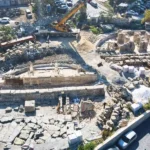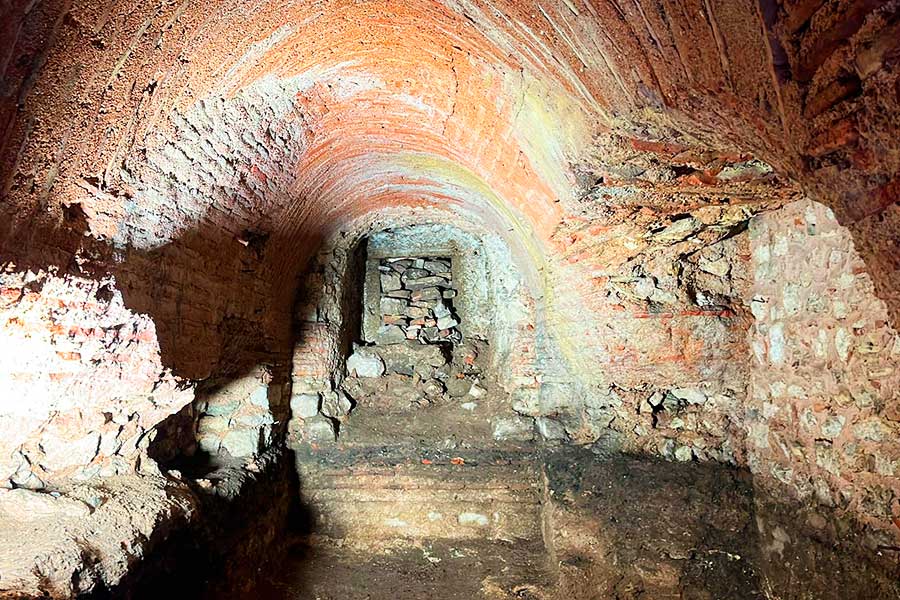
A 1,500-year-old underground passage has been discovered by archaeologists during ongoing excavations at the ruins of the ancient Byzantine Church of Saint Polyeuktos, located in the Saraçhane Archaeological Park and destroyed during the sack of Constantinople in 1204 at the hands of the Crusaders.
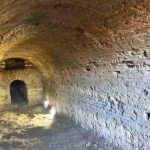
During the excavations, which began on June 8, 2022, the teams found an underground passage from the Proto-Byzantine period built with stones including marble and relief decorations. One of the things that has surprised archeology experts the most is that the structure of this underground tunnel has remained practically intact for centuries and centuries despite the many earthquakes that the city has suffered throughout its history.
“Dozens of earthquakes have occurred in these 1,500 years in Istanbul, which currently also faces an earthquake risk. This structure has managed to survive all these earthquakes. Turkey should learn the secret and have this knowledge,” said Mahir Polat, an Istanbul Metropolitan City Council official in charge of the excavations, further stressing that these excavations could yield many surprises about the city’s history.
“We have just finished a project that will transform this area into a tourist spot within 10 months, a place that used to be an abandoned area where homeless people used to sleep and all kinds of crimes took place,” he said. Referring to the project, Polat reported that the archaeological excavations will continue even after the ruins are opened to the public.
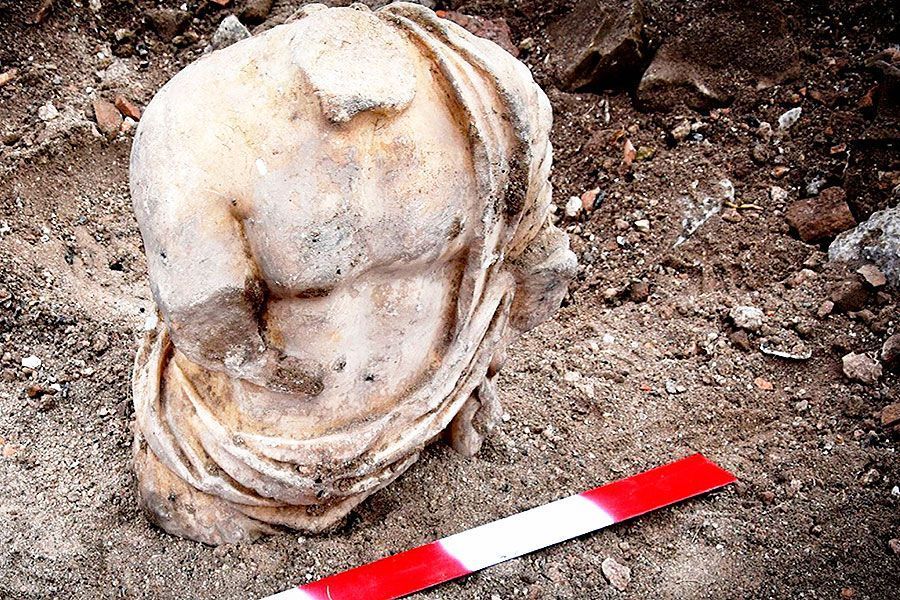
Recently, archaeologists working in the ruins of the Byzantine church of Saint Polyeuktos discovered a 1,900-year-old Roman statue in the same area where this underground passage has now been found: a discovery described as “astonishing” by experts who are working in this area, hitherto abandoned, but which promises to shed light on the history of Istanbul.
VOTE

EDITORIAL TEAM
🧿 About us
.
Edited and reviewed by:

Pablo Gómez is a specialist in Turkey and has been editor-in-chief of Hispanatolia since 2011. He has been analysing current affairs and geopolitics in Turkey and the surrounding region since 2006.
…
📣 Your ADVERTISING on Hispanatolia
.
🤗 HELP US WITH A DONATION:
💗 Paypal