An earthquake in Turkey with a magnitude of 5.4 struck the south-eastern province of Şanlıurfa at around 10.40 local time (9.40 CET) today, 24 September, causing panic among many residents, who rushed out into the streets in several provinces across the region.
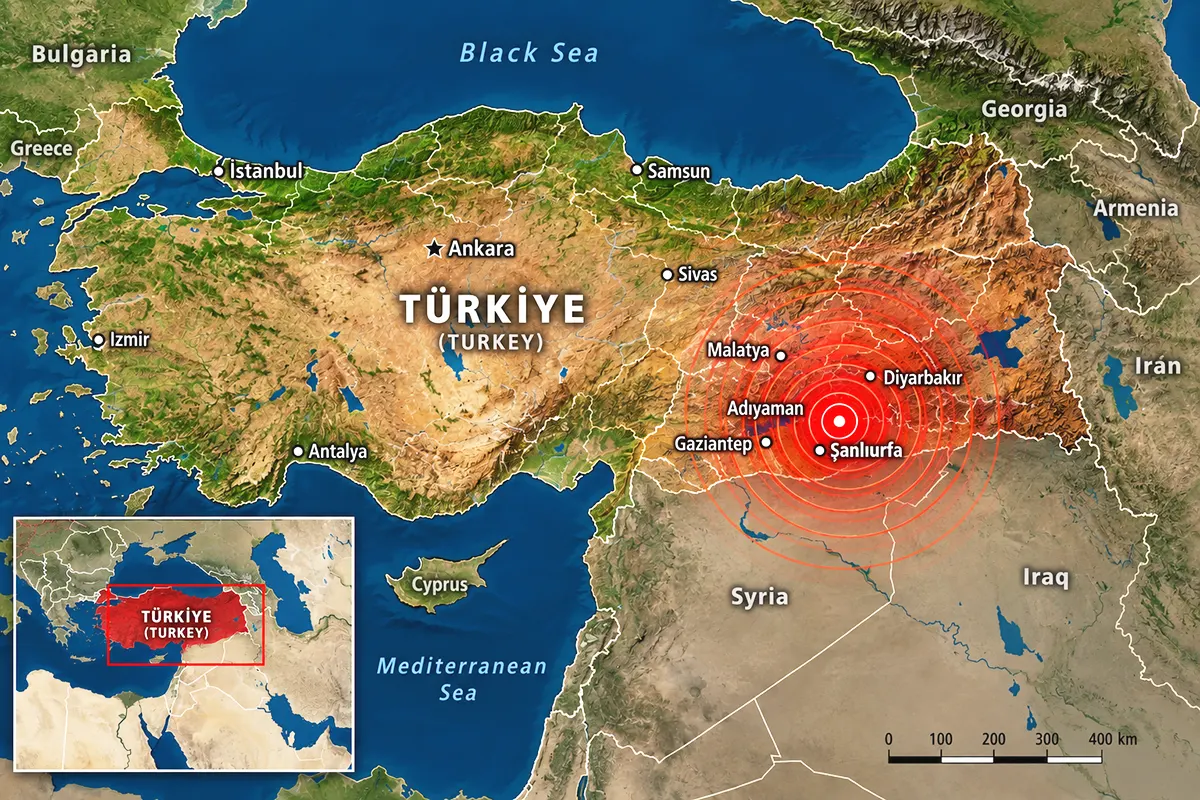
The earthquake was felt in several cities in eastern and south-eastern Anatolia. The Kandilli Seismological Observatory (Istanbul) put its magnitude at 5.8 and its epicentre in Pınarbaşı, a district to the north of the province of Şanlıurfa. For its part, the Disaster and Emergency Management Authority (AFAD) reported that the earthquake reached a magnitude of 5.4 and placed the epicentre in the district of Karaköprü, according to reports in the Turkish media.
Following the earthquake, large numbers of people fled into the streets in a state of panic in the provinces of Diyarbakır, Şanlıurfa, Adıyaman and Gaziantep. It was also reported that the earthquake could be felt in Syria and Iraq.
No casualties, though schools are closed in Sanliurfa
The Şanlıurfa Governor’s Office initially reported that there had been no casualties or property damage as a result of the earthquake, and that no adverse effects had been recorded in the city of Şanlıurfa itself.
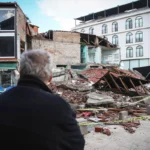
However, the Turkish newspaper Milliyet reported in the last few hours that some homes and other buildings in the Pınarbaşı neighbourhood suffered damage in rural areas. Meanwhile, classes have been suspended for one day in the province of Şanlıurfa.
Turkey’s Interior Minister, Mustafa Çiftçi, announced that work is currently continuing on the ground to assess the damage following the 5.4-magnitude earthquake recorded in the Karaköprü district of Şanlıurfa, “which was also felt in the provinces of Adıyaman, Malatya, Diyarbakır and Gaziantep”, he said.
“Our teams are continuing their on-the-ground inspection work. So far, there have been no fatalities, injuries or destruction in the affected provinces. We continue to closely monitor developments in the situation alongside AFAD, our local administrative authorities and all relevant institutions. Once again, I extend my best wishes to all our citizens. May God protect our country and our nation from all kinds of disasters”, said Çiftçi.
Seismologists point to the build-up of stress along the region’s faults
In comments reported by local media, the Turkish seismologist Şener Üşümezsoy analysed the Şanlıurfa earthquake and explained that the tremor was likely linked to the stress transferred to the faults in the surrounding area following the earthquakes of 6 February 2023, which devastated south-eastern Anatolia, leaving more than 53,000 dead.
According to Üşümezsoy, the earthquakes of 6 February 2023 caused a major rupture in the main branch of the Eastern Anatolia Fault, although he clarified that the tremor recorded in recent hours in Şanlıurfa occurred along a different fault structure.
Following the earthquake in Şanlıurfa, one of the main fears amongst the region’s population is whether this quake could trigger earthquakes of greater magnitude in south-eastern Turkey. However, Professor Üşümezsoy stated that the Adıyaman fault is not a main fault but a secondary one, adding that “therefore, it will not trigger a new major earthquake”.
VOTE

EDITORIAL TEAM
🧿 About us
.
Edited and reviewed by:

Pablo Gómez is a specialist in Turkey and has been editor-in-chief of Hispanatolia since 2011. He has been analysing current affairs and geopolitics in Turkey and the surrounding region since 2006.
…
📣 Your ADVERTISING on Hispanatolia
.
🤗 HELP US WITH A DONATION:
💗 Paypal