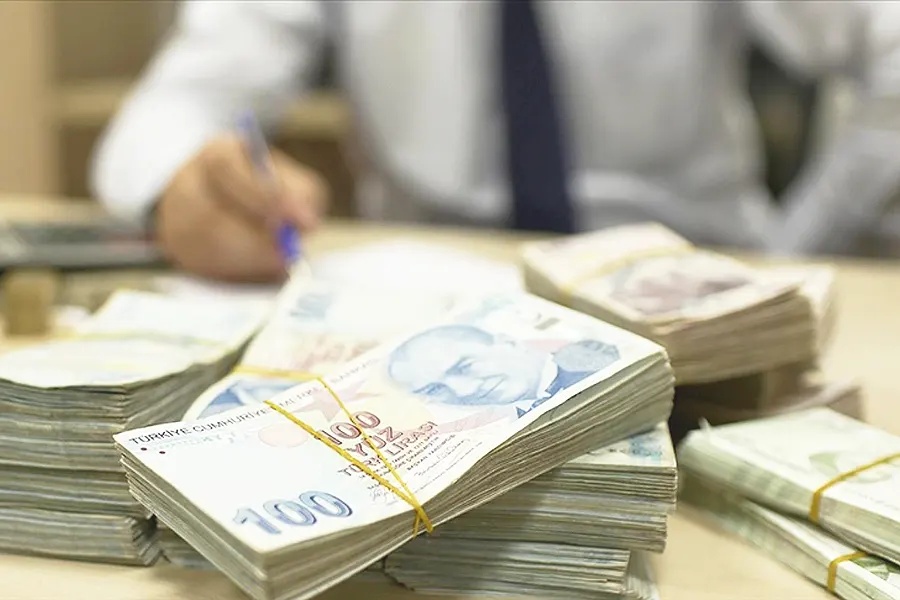
Turkish central bank finally announced on Thursday an interest rate cut of 250 basis points, its first rate cut in almost two years (the last one dating back to February 2023), in the face of expected price moderation in Turkey and the latest CPI data in the Eurasian country.
Turkish media reported that the Monetary Policy Committee (Para Politikası Kurulu or PPK, in Turkish) of the Central Bank of the Turkish Republic (TCMB) announced a 250 basis point cut in its one-week benchmark interest rate to 47.5%. In this way, the bank meets analysts’ forecasts – who had anticipated a rate cut by the end of the year – but even exceeded their expectations, as most economists had predicted that the cut would not exceed 150 points.
‘The Monetary Policy Committee has also decided to adjust the operational framework of monetary policy by setting overnight lending and deposit rates 150 basis points below and above the one-week repo rate, respectively,’ the TCMB said in a statement released today, stressing that the tight monetary policy so far is succeeding in reducing underlying inflation and strengthening the disinflation process, moderating domestic demand and boosting the value of the Turkish lira.
However, the central bank notes in the statement that the current high interest rate policy will be maintained until a significant and sustained reduction in inflationary trends is achieved and until inflation data converge with expectations, although it acknowledges that inflation expectations and price evolution show signs of improving.
‘Interest rate policy will be determined in a way that ensures the level required for the expected process of disinflation,’ concluded the text released by the Turkish Central Bank. The first interest rate cut in almost two years coincides, however, with the announcement on 24 December by Turkey’s labour and social security minister, Vedat Işıkhan, to raise the minimum wage by 30% by 2025 to 22,104 liras (604 euros), which could create new inflationary pressures in the Turkish economy.
VOTE

EDITORIAL TEAM
🧿 About us
.
Edited and reviewed by:

Pablo Gómez is a specialist in Turkey and has been editor-in-chief of Hispanatolia since 2011. He has been analysing current affairs and geopolitics in Turkey and the surrounding region since 2006.
…
📣 Your ADVERTISING on Hispanatolia
.
🤗 HELP US WITH A DONATION:
💗 Paypal