Stratonikeia, called City of Gladiators and candidate for World Heritage, has ruins that show how Romans fought against rising prices.
The ancient city of Stratonikeia, located in the Yatağan district in the province of Muğla -western Turkey– and since 2015 a candidate for World Heritage Site by UNESCO, houses the history of several civilisations; among them are the Romans, who left in it a sample of how they tried to fight against inflation.
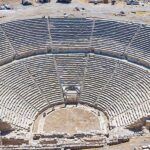
Founded by the king of the Seleucid Empire – successor to the empire of Alexander the Great – Antiochus I Soter in honor of his wife Stratonice, the city prospered under the rule of the Roman Empire and some of its most impressive buildings date from this time, including the theatre and the Serapeum, the temple dedicated to Serapis.
In the old bouleuterion, the place where the town’s assembly met, there are inscriptions both in the Greek language – spoken mostly in the eastern provinces of the empire – and in Latin, the official language. One of the inscriptions in Greek that can still be seen today dates from the Hellenistic period and is a calendar that marks the year 1505: if it was still in use today, we would currently be around the year 3500.
Among the inscriptions in the Latin language, it is interesting to see how the Roman authorities tried to cope with the galloping inflation that was ravaging the Roman Empire around 300 AD, and that led the emperor Diocletian to issue his famous Edict on Maximum Prices in 301 (Edictum De Pretiis Rerum Venalium), which established the maximum cost of hundreds of products as well as the labor cost to produce them.
The Edict of Maximum Prices of emperor Diocletian tried to curb prices
“To keep inflation under control, a price cap list was regulated,” explains Bilal Söğüt, head of the archaeological excavations team at Stratonikeia; the price list displayed on the inscriptions in the city’s bouleuterion includes more than 200 products, and they represent a sample of how the society of that time tried to cope with inflation. “The system on which producers and consumers relied at that time is directly mentioned here,” adds Söğüt.
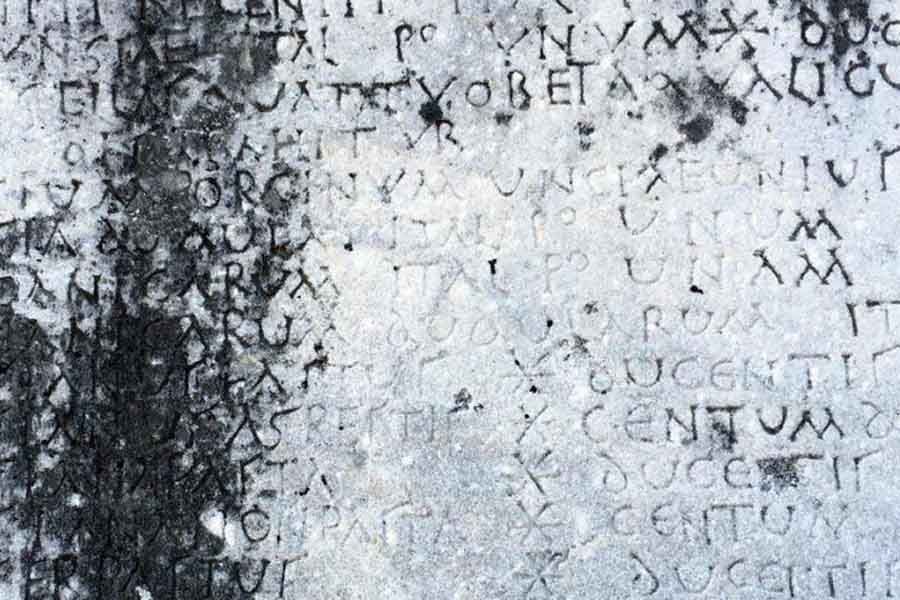
History would show that this vain attempt to control inflation by imposing maximum prices would not be very successful: the main problem of the economy of the Roman Empire was the devaluation of its currency, caused by the loss of resources in the provinces and the increased expenses of the Administration, especially those of the Roman army.
In the end, the marked prices were so low that the edict caused these products to be discontinued, sold on the black market, or traded using barter instead of currency, weakening mercantile economy and commerce in the cities. As the edict also established maximum wages, many social classes and especially soldiers became poorer, losing their purchasing power and thus increasing instability.
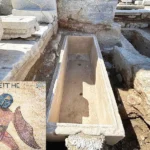
But Stratonikeia is not known only for inscriptions like this one that show how the Romans fought against inflation; its main fame is due to the fact that for years it has been known worldwide as the “City of Gladiators“, because excavations have shown that here famous gladiators retired to live: in fact, the city is home to the largest necropolis of gladiators from all over Turkey.
📖 If you want to learn more about Turkey, we recommend:
We include affiliate links: if you buy through them, you don’t pay extra money and you help this website.
VOTE

As a history lover, Pablo Gómez was captivated by Turkey from the first day he visited it in 2006: he got married there, has a house there… and has since become an expert on Turkey’s current affairs. With a long experience in media, he has been at the helm of hispanatolia.com since 2011.