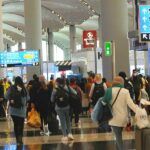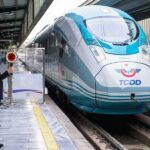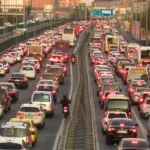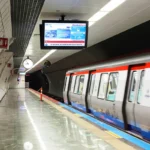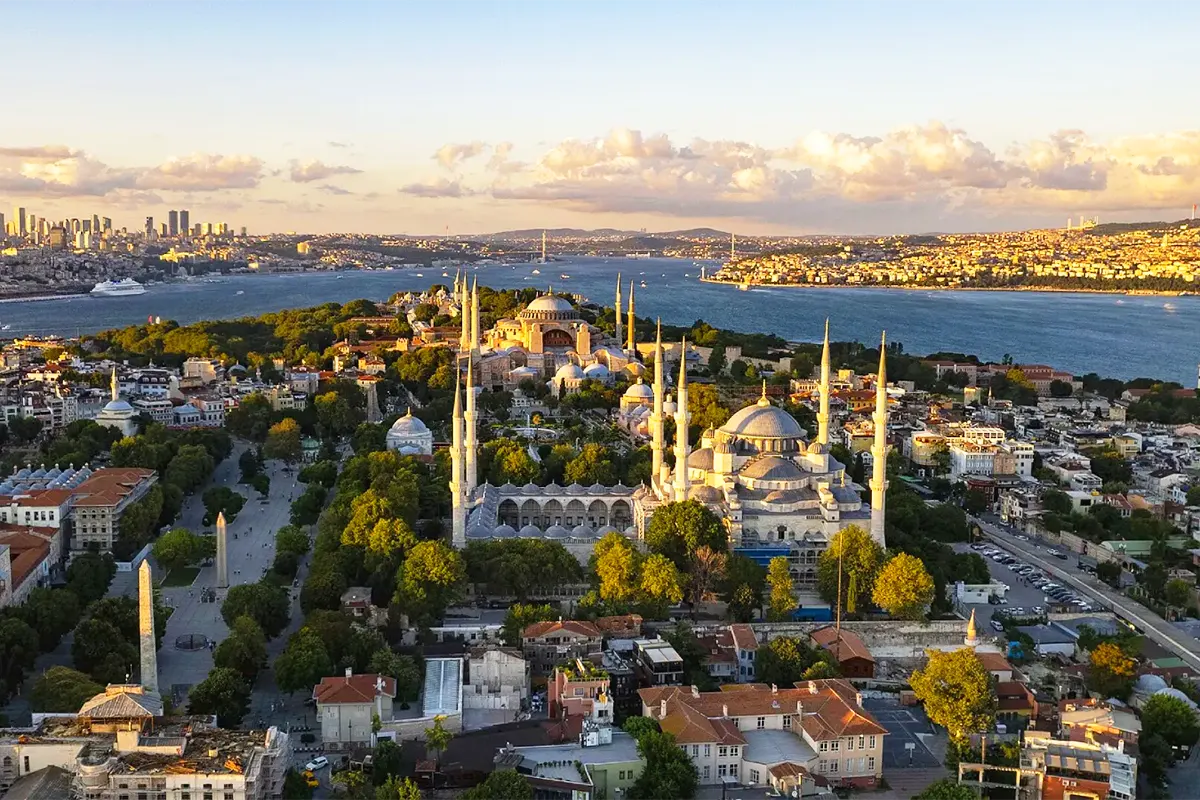
The mayor of the Fatih district, which encompasses the entire peninsula and the historic center of Istanbul, has proposed closing the district to traffic and implementing a congestion pricing system similar to that in London, creating large parking lots to address chronic transportation problems such as traffic jams and the shortage of parking caused by the increase in population during daytime hours.
Ergün Turan, mayor of the Fatih district, is proposing a congestion pricing system similar to those implemented in London and Singapore as a solution to manage the daily flow of 3.5 million people that the district on Istanbul’s historic peninsula receives. The model, which would primarily cover the area around the Eminönü neighborhood, aims to reduce traffic by 20% and lower pollution by charging vehicles entering the area — except for residents’ vehicles — through a system similar to the HGS (Hızlı Geçiş Sistemi or “Fast Transit System”), the electronic toll system used in Turkey.
In statements reported by various media outlets in Türkiye, Turan emphasized the need to encourage the use of public transportation under the “polluter pays” principle: “In Fatih, there is a human mobility that reaches between 3 and 3.5 million people during the day. However, the nighttime population is around 350,000 people. This means we are talking about a population that grows and shrinks between 8 and 10 times every day.”
The mayor also explained that many of the roads crossing the district are the result of urban planning carried out in the 1940s by the architect and urban planner Henri Prost; this has led to the historic center of Istanbul currently being subjected to heavy vehicle traffic: a situation that, as he pointed out, does not occur in other historic cities.
The mayor emphasized that a large number of vehicles enter the district daily: “There are 285 different İETT bus routes (the municipal public transportation company), with 11,000 trips per day. We’re talking about an area with very heavy traffic of people and vehicles, including transit, population growth, and tourist vehicles. In this sense, Fatih is a district that experiences Istanbul’s problems more acutely. Therefore, a transportation policy is absolutely necessary.”
“Anyone wanting to enter central Istanbul will have to pay a fee”
“The model for managing traffic congestion, which began in Singapore in the 1970s, is now applied in London, Stockholm, Zagreb, and many other cities. To manage vehicle density in central areas like Fatih, those wishing to access this area — other than residents — will have to pay a fee through a system similar to the HGS upon entering the city center,” he said, speaking about urban mobility.
Turan stated that this system reduces traffic in the city center, lowers emissions, and facilitates integration with public transportation, which the mayor believes should play an even greater role: “People arriving in this area will be able to park their vehicles in large parking lots and access the city via public transportation. Tourists wishing to visit will have to pay a fee upon entry, as is the case in cities around the world. At the same time, the revenue generated will be used to develop parking systems in other areas and address the traffic congestion problem.”
According to the mayor, large regional parking lots should be built: “Istanbul’s traffic problem cannot be solved with parking lots of 50 or 100 spaces. Large parking lots must be built within a 500-meter radius,” he stated, adding that the goal is not to generate revenue, but to alleviate congestion, improve parking, and reduce emissions.
Turan provided further details on future plans to reduce traffic in this area of Istanbul: “What we call Old Eminönü will be designated Zone 1. Entry and exit will be subject to a fee, as in London, Stockholm, and Singapore. Traveling by car is a waste of both time and money. What we’re talking about is implementing a system that allows people to reach their destinations by integrating public transportation. It will benefit residents who own vehicles. Being rich or owning a car doesn’t give you the right to go anywhere. If you want to use it, you pay the price. We have solid studies and models in this regard,” he concluded.
VOTE

EDITORIAL TEAM
🧿 About us
.
Edited and reviewed by:

Pablo Gómez is a specialist in Turkey and has been editor-in-chief of Hispanatolia since 2011. He has been analysing current affairs and geopolitics in Turkey and the surrounding region since 2006.
…
📣 Your ADVERTISING on Hispanatolia
.
🤗 HELP US WITH A DONATION:
💗 Paypal