A string of food poisoning cases in recent weeks, most notably the death of a family of tourists from Germany staying in an Istanbul hotel, has triggered food safety concerns and a severe economic impact on street food vendors, cafes and restaurants and hotels in key tourist areas of the city due to consumer distrust. The drop in revenue has affected everything, from jacket potato and mussel stalls to kebab shops, home delivery and hotel establishments in Istanbul.
According to data from the Restaurant and Tourism Association (TÜRES), street vendors in Beşiktaş suffered in the first days after the death of the family of tourists – of Turkish origin but living in Germany – a drop of more than 80% in sales of kumpir (stuffed jacket potatoes), mussels and kokoreç, a popular street food made from lamb intestines. Kebab and chicken döner outlets have also lost up to 25% of their turnover, while online food orders have fallen by a similar proportion.
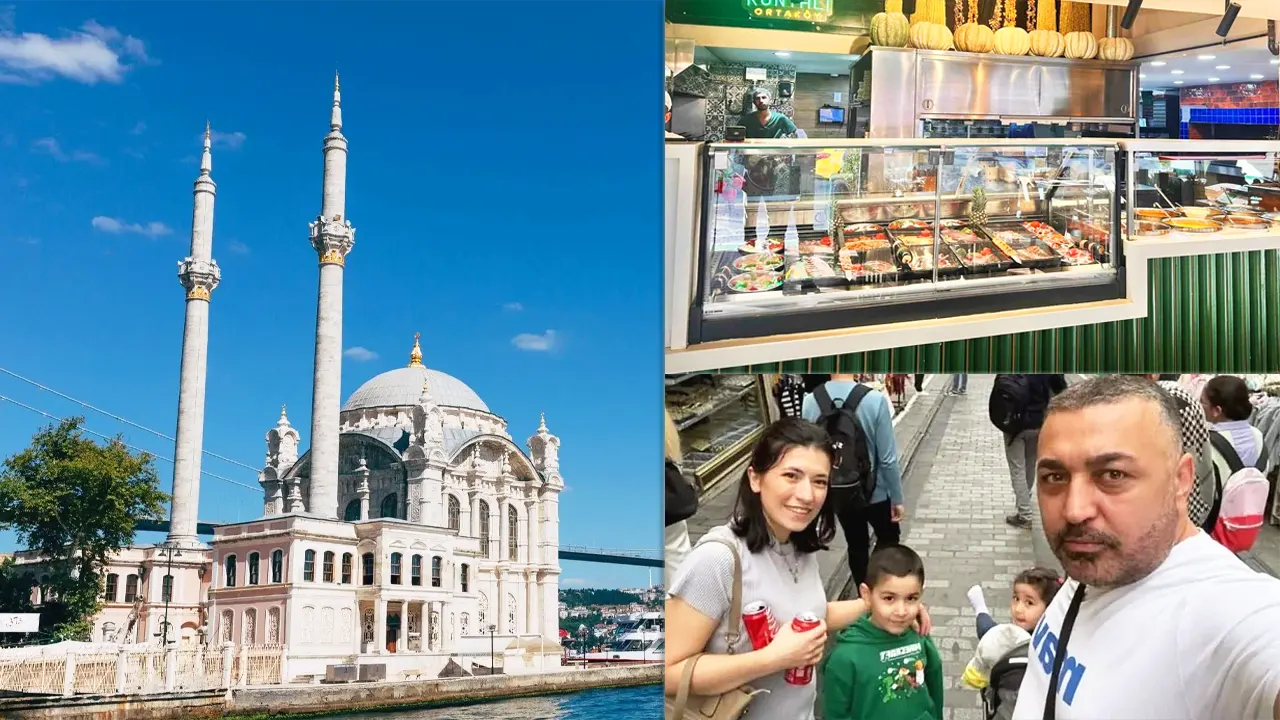
Rıdvan Turşak, a representative of TÜRES, explained to Turkish media that sales “are still around 40% below pre-incident levels”, stressing that the biggest losses are concentrated in Ortaköy, an area emblematic of Istanbul’s street food culture where the aforementioned family had been eating shortly before they died due to intoxication.
Turşak also confirmed a sharp drop in online food orders: “Online orders have fallen by almost the same proportion. According to our partners’ statistics, the drop in sales is similar to the drop in home orders”. Ortaköy and Beşiktaş have been the worst affected areas of Istanbul, as in the first few days many consumers, influenced by news about food intoxication, chose to avoid eating out in the area, causing significant economic damage to businesses in these areas of the city.
Latest food poisoning cases in Istanbul
The origin of this crisis dates back to 12 November, when a German-Turkish family staying in a hotel in Istanbul‘s historic centre fell ill after allegedly eating street food in Ortaköy; the mother, the two children aged 3 and 6 and later also the father died, sparking speculation about possible food contamination.
Although forensics later pointed to aluminium phosphide poisoning – a highly toxic substance used in the fumigation of the hotel – as the probable cause of the tragedy, the initial suspicion about the street food consumed in Istanbul was enough to stigmatise the entire sector and undermine customers’ trust in restaurants and small vendors in many areas of the city.
Subsequent cases have followed in different premises in Istanbul, which are not as serious but have also contributed to sowing alarm and mistrust among consumers. On 17 November – the same day that the father of the poisoned family died – a 26-year-old woman was hospitalised in the ICU with severe internal burns after a coffee shop in the Beyoğlu district mistakenly served her coffee made with detergent instead of water.
On 19 November, two Dutch-based Turkish tourists on holiday in Istanbul staying at a hotel in Fatih were admitted to hospital with symptoms including nausea, vomiting and diarrhoea after eating at several restaurants in Sirkeci and Kadıköy, according to Turkish press reports. Finally, on 21 November, 25 people were admitted to hospital with nausea and vomiting after ordering lahmacum at a restaurant in the Şişli district.
Restaurants, street stalls, online ordering and hotels affected
Traders in the tourist district of Ortaköy say the damage to their reputation has been severe and put the drop in turnover at around 70%. In a statement, the TÜRES association stressed that it “cannot accept that the entire food and drink sector should be placed under suspicion“, recalling that businesses are subject to regular checks and inspections and that the fact that a few establishments do not comply with regulations “should not define an entire industry”.
But the impact of the recent cases of food poisoning in Istanbul has not only affected the sales of restaurants and street food stalls. Gürkan Özcan, a representative of the Turkish Travel Agents Association (TÜRSAB), estimates that hotel bookings in Istanbul’s historic centre have fallen by 10-15%. Özcan, who recalled that November was already a bad month for the city’s hotel sector, warned ahead of the New Year holidays period that “we are entering the period from 20 December to 5 January, and it is very likely that this tragic event has affected New Year’s Eve bookings“.
VOTE

EDITORIAL TEAM
🧿 About us
.
Edited and reviewed by:

Pablo Gómez is a specialist in Turkey and has been editor-in-chief of Hispanatolia since 2011. He has been analysing current affairs and geopolitics in Turkey and the surrounding region since 2006.
…
📣 Your ADVERTISING on Hispanatolia
.
🤗 HELP US WITH A DONATION:
💗 Paypal