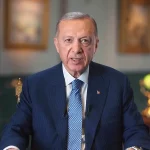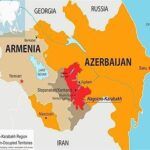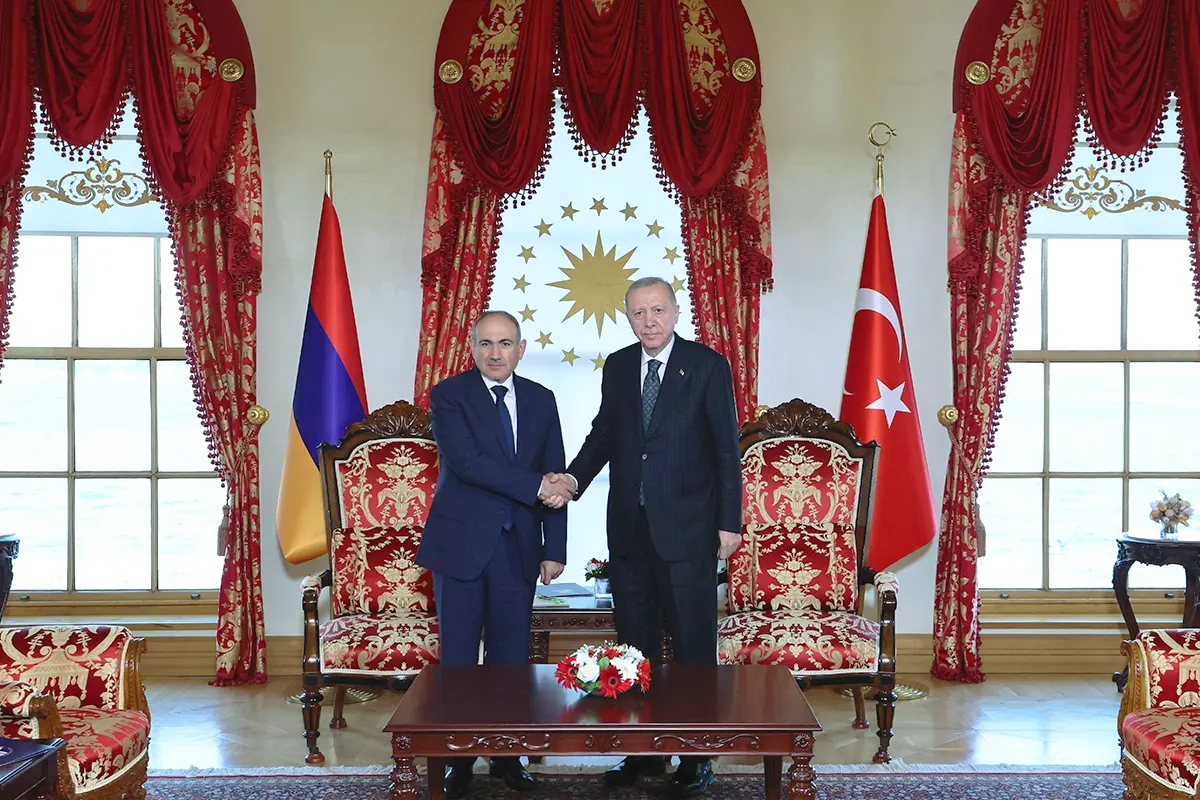
Armenian Prime Minister Nikol Pashinyan met with Turkish President Tayyip Erdoğan in Istanbul during a visit described as ‘historic’ by Armenia, which is seeking to normalise its relations with Turkey and establish a final peace agreement with Azerbaijan in its efforts to end its isolation in the South Caucasus.
The visit, which comes at the invitation of the Turkish President, had its final stage with a meeting between Pashinyan and Erdoğan shortly before 19:00 (18:00 CET) at the Dolmabahçe Palace in Istanbul. Earlier, the Armenian prime minister had visited the Blue Mosque and the headquarters of the Armenian Orthodox Patriarch of Istanbul, where he met with members of Turkish Armenian community.
“This is a historic visit, as it will be the first time a head of the Republic of Armenia visits Turkey at this level. All regional issues will be discussed,” Armenian Parliament Speaker Alen Simonyan told reporters. “The risks of war (with Azerbaijan) are currently minimal, and we must work to neutralise them. Pashinyan’s visit to Turkey is a step in that direction,” Simonyan was quoted as saying by international agencies and media.
The Armenian ruler is expected to take advantage of this unusual official visit to Turkey to make progress in the normalisation of relations between the two countries and the reopening of borders, which Turkey closed in 1993 during the first Karabakh war between Armenia and Azerbaijan.
A policy of distancing from Russia and rapprochement with Turkey
In recent years, Pashinyan has pursued a firm policy aimed at ending Armenia’s regional isolation, which has worsened since Putin decided to abandon Armenia to its fate during the second Karabakh war, which culminated in Yerevan’s complete capitulation to Azerbaijan; but his open-minded policy has put him at odds with the army and the most ultranationalist sectors of the Armenian opposition, who have also organised protests in the capital against this trip to Türkiye.
A previous attempt to normalise relations between Turkey and Armenia, which began in 2008 with what was then known as ‘football diplomacy’, ended in failure in 2015 when Yerevan reversed the process of normalising relations with Turkey, precisely because of the pressures that the then Armenian president Serzh Sargsyan faced from the most nationalist sectors, but also from the Armenian diaspora, which the sectors most sympathetic to Pashinyan see in part as an obstacle that for decades has prevented the country from normalising its political and economic ties with its large Turkish neighbour.
In the face of these obstacles, Pashinyan seems determined to move forward, and earlier this year he took a key step by stating, last March and quoted by Armenian media, that the recognition of the Armenian genocide “is not among our foreign policy priorities today”: an announcement that was seen as a concession to Turkey – which does not deny the deaths of Armenians in World War I, but insists that historical documents show that they were not the result of a deliberate genocide – but which, again, sparked strong criticism in Armenia against Pashinyan.
VOTE

EDITORIAL TEAM
🧿 About us
.
Edited and reviewed by:

Pablo Gómez is a specialist in Turkey and has been editor-in-chief of Hispanatolia since 2011. He has been analysing current affairs and geopolitics in Turkey and the surrounding region since 2006.
…
📣 Your ADVERTISING on Hispanatolia
.
🤗 HELP US WITH A DONATION:
💗 Paypal