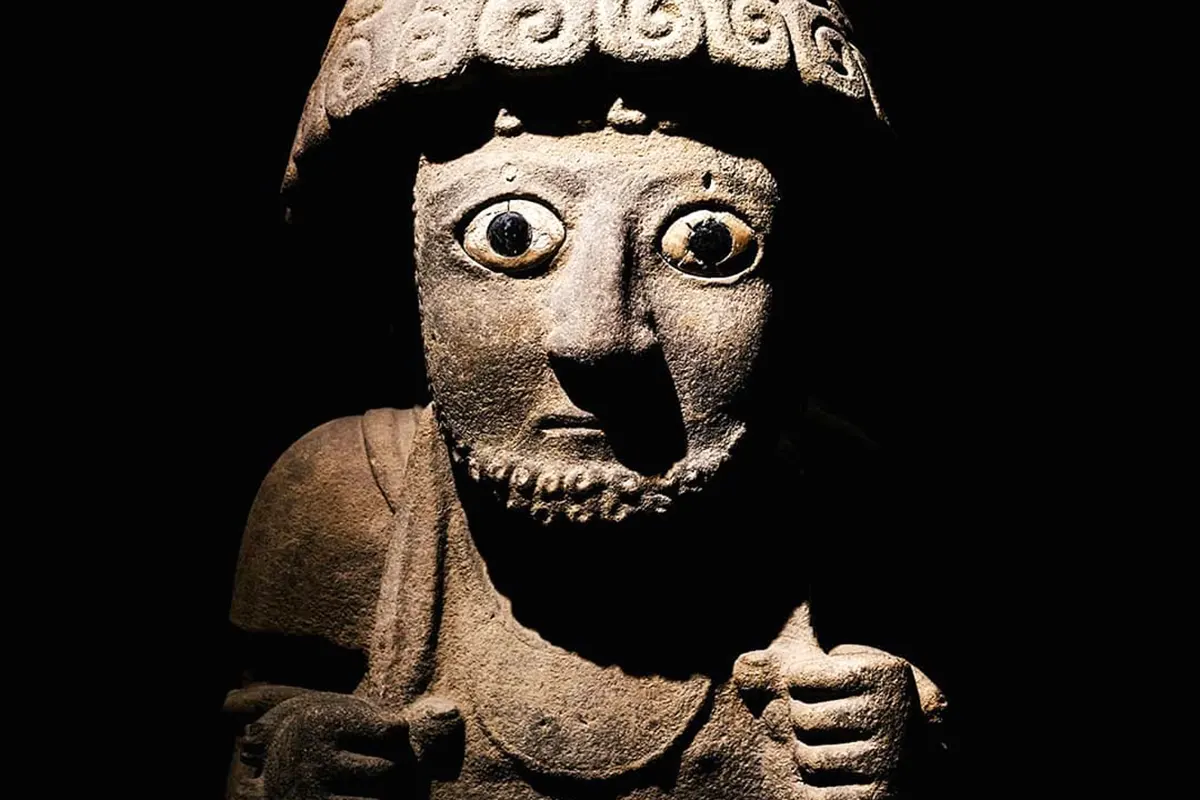
Three years after the devastating earthquakes of 2023 that ravaged southern and southeastern Turkey, the Hatay Archaeological Museum is set to reopen its doors to re-display one of its most valuable archaeological treasures: the statue of the Hittite King Suppiluliuma I, one of the most powerful rulers of the Hittites.
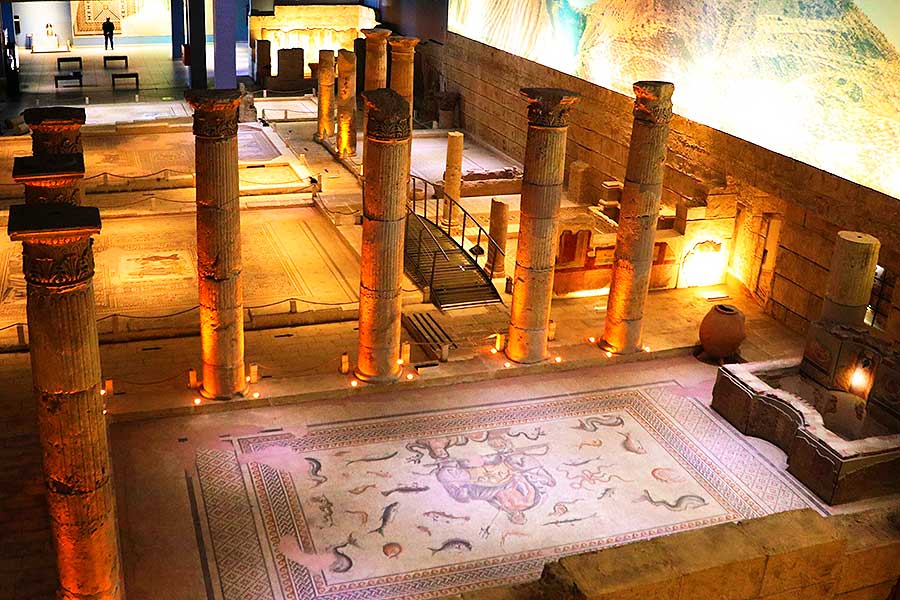
Beyond the enormous loss of life, the earthquakes of 6 February 2023 devastated infrastructure and cultural heritage, flattening priceless centuries-old monuments that were buried under the rubble. The Hatay Archaeological Museum was not spared from the consequences of the earthquakes and also suffered serious damage, which meant that it had to be closed to the public and underwent restoration work which, three years later, is now in its final phase; now, it is expected to reopen to the public later this year, according to Turkish media reports.
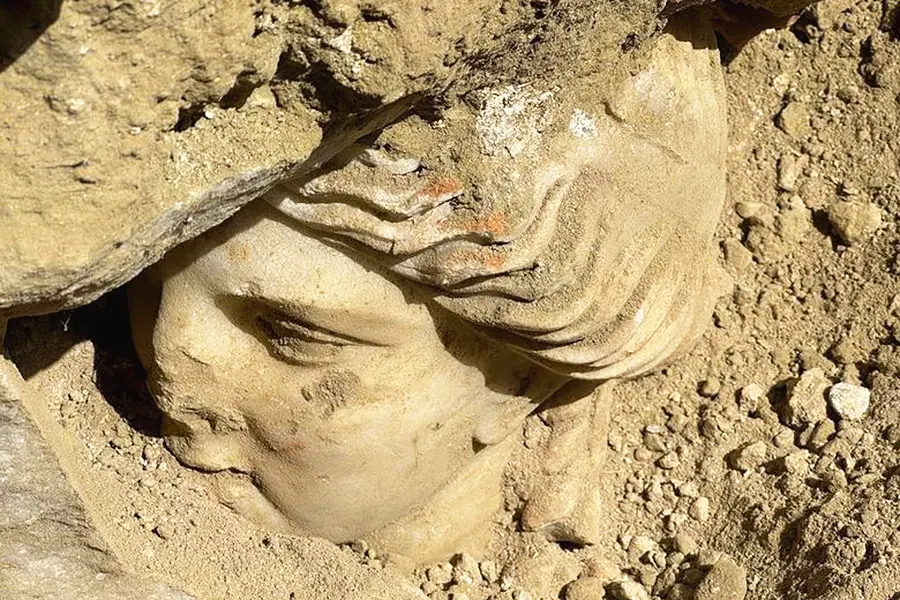
Among the pieces that will be on display again is the famous statue of King Suppiluliuma I, which had been placed under protection after the earthquake disaster. Suppiluliuma I ruled the Hittite kingdom in the 14th century BC and is considered the ruler who transformed it into a great imperial power. He is known as the first Hittite king with a name of distinctly Hittite origin: in Hittite, “suppi” means “pure” and “luli” translates as “spring” or “fountain”, giving his name the meaning of “pure fountain”.

During his reign, which lasted approximately 35 years, Suppiluliuma altered the political balance of the ancient Near East through military campaigns, diplomacy and administrative reforms. Even before he acceded to the throne, he excelled as a military commander defending Hittite territories, and later as king, he continued this policy of consolidation and expansion in both Anatolia and Syria with notable success. Victories against the High Mesopotamian kingdom of Mitanni extended Hittite authority over northern Syria, while the Mitannian state itself became a vassal of the Hittite kingdom. Suppiluliuma thus brought the Hittite Empire to its fullest extent and its capital, Hattusa, to its greatest splendour.
Historic mosques and churches restored after the earthquakes
At the same time, the restoration and reconstruction of historic mosques and churches damaged by the earthquake continues in Hatay. The Habib-i Neccar Mosque, considered the oldest mosque in Anatolia, which was destroyed by the earthquakes, has already been rebuilt according to its original design; and the restoration of the Greek Orthodox Church of Antakya is also planned, while work to restore the Church of St. Elijah in Samandağ and the Church of the Virgin Mary is already underway.
In addition to the Suppiluliuma statue, other pieces from the Hatay Archaeological Museum’s collection, such as the Antioch Sarcophagus, the so-called Skeleton Mosaic and the Arsuz Stelae, will also be returned to the public. To this end, all the historical artefacts that had been transferred to the Kırşehir Museum for conservation after the devastating earthquakes will be returned to Hatay, and put back on display at the museum.
📚 If you want to learn more about the history of Turkey, we recommend:
🧿 Discover here more recommended products about Turkey
As an Amazon Associate, we earn from qualifying purchases. This comes at no extra cost to you and helps support this website.
VOTE

EDITORIAL TEAM
🧿 About us
.
Edited and reviewed by:

Pablo Gómez is a specialist in Turkey and has been editor-in-chief of Hispanatolia since 2011. He has been analysing current affairs and geopolitics in Turkey and the surrounding region since 2006.
…
📣 Your ADVERTISING on Hispanatolia
.
🤗 HELP US WITH A DONATION:
💗 Paypal