Turkish Health Ministry has published a comprehensive guide with information and measures to deal with monkeypox (mpox), after the WHO declared a global health alert for a new, more contagious and more lethal (up to 10% mortality) strain of the virus, which is spreading rapidly from Africa to other countries, and has already reached Europe.
Turkish media reported that the guide, prepared with the contribution of several experts, aims to inform, educate and raise awareness among both health professionals and the general public about the nature of the disease, its transmission routes and preventive measures to contain its spread.
The document details the symptoms caused by monkeypox, which include fever, fatigue, headache, rash and swollen lymph nodes. These symptoms usually last between 2 and 4 weeks and are not as severe as those of smallpox, but there can also be more severe symptoms, with children being particularly vulnerable, accounting for around 70% of deaths.
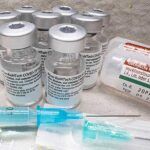
The virus is transmitted from animals to humans and between humans mainly through close physical contact, including sexual intercourse. There are vaccines that can offer some protection against monkeypox (renamed mpox), including the use of antivirals used against common smallpox. However, the WHO has already warned about the lack of vaccine supplies to control the spread of the virus, especially in the most affected countries.
The guidelines produced by the Turkish Ministry of Health state that hot water baths or painkillers can be used to combat the milder symptoms of mpox, while more severe symptoms such as encephalitis or myocarditis require professional medical supervision. Meanwhile, Turkish Health Minister Kemal Memişoğlu confirmed during the weekend that no monkeypox infections have been detected in Turkey at present: ‘We are not worried about an epidemic. For now, it is not an alarming situation,’ he said.
VOTE

EDITORIAL TEAM
🧿 About us
.
Edited and reviewed by:

Pablo Gómez is a specialist in Turkey and has been editor-in-chief of Hispanatolia since 2011. He has been analysing current affairs and geopolitics in Turkey and the surrounding region since 2006.
…
📣 Your ADVERTISING on Hispanatolia
.
🤗 HELP US WITH A DONATION:
💗 Paypal